

Pocket Reduction Surgery
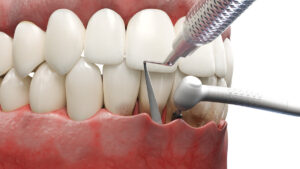
When gum disease progresses beyond what routine cleanings can address, the spaces between your teeth and gums — called periodontal pockets — can deepen to dangerous levels, allowing bacteria to take hold and quietly destroy the bone and tissue supporting your teeth. Pocket reduction surgery, also known as osseous surgery, is a proven periodontal procedure designed to eliminate these pockets, remove bacteria-laden deposits from tooth roots, and give the gum tissue a chance to reattach to a healthy, stable surface. For patients with moderate to severe periodontitis, this treatment can be the critical step that stops the disease in its tracks and preserves their natural teeth for years to come. According to the CDC, nearly half of adults aged 30 and older in the United States have some form of periodontal disease, making treatments like pocket reduction surgery more relevant than ever.
At Rockland Dental Specialists in New York, our periodontic services are led by a team with over 24 years of combined experience in periodontics, implants, and endodontics. Dr. Shalom Mintz, board-certified in periodontics and implantology, and periodontist Dr. David Peto bring a high level of clinical precision to every procedure, ensuring patients receive thorough, personalized care from evaluation through recovery. If you’ve been told your gum disease has advanced to a point where non-surgical options are no longer sufficient, pocket reduction surgery may be the right path forward.
What Happens During Pocket Reduction Surgery
Pocket reduction surgery is performed to address periodontal pockets that have grown too deep for standard cleaning to reach. Healthy gum pockets measure between one and three millimeters; once they exceed five millimeters, bacteria accumulate in areas that brushing and professional hygiene visits simply cannot access. During the procedure, the gum tissue is gently folded back to allow our periodontists and implant specialists direct access to the tooth roots and surrounding bone.
Cleaning and Reshaping
Once the area is accessed, our team removes harmful bacteria, calculus, and diseased tissue from the root surfaces through a process called scaling and root planing. In many cases, the underlying bone has been affected by the infection and may have developed an irregular surface that allows pockets to form again. Bone reshaping, or osseous contouring, smooths these surfaces so the gum tissue can lie flat against the tooth after healing, reducing the likelihood of future bacterial buildup. This thorough approach is what sets surgical treatment apart from non-surgical alternatives.
Closure and Recovery
After cleaning and reshaping are complete, the gum tissue is sutured back into place at a reduced pocket depth. This new position makes the area far easier to keep clean going forward, both at home and during professional maintenance visits. Your first follow-up appointment typically occurs within two weeks of the procedure, and a second follow-up usually happens around eight to ten weeks post-surgery. For the first year following treatment, we typically see patients every three months to monitor healing and watch for any signs of recurring gum disease.
Why Pocket Reduction Surgery Is Recommended
Not every patient with gum disease requires surgery. When caught early, periodontitis may be managed or even reversed with scaling and root planing combined with consistent at-home care. However, when pockets are persistently deep despite non-surgical treatment, surgery becomes the most effective option for halting disease progression.
The primary goals of pocket reduction surgery are to eliminate the environment where harmful bacteria thrive, reduce inflammation, and protect the supporting bone from further loss. Patients who delay treatment risk tooth loss, bone deterioration, and systemic health complications tied to untreated periodontal infection. Recognizing the early warning signs of gum disease and acting promptly gives patients the best chance of a favorable outcome.
What to Expect After the Procedure
Recovery following pocket reduction surgery is manageable for most patients. Some swelling, tenderness, and sensitivity are normal in the days immediately after the procedure, and our team provides detailed aftercare instructions to help you navigate this period comfortably. Most patients return to their regular routines within a few days, though strenuous activity and certain foods should be avoided during the early healing phase.
The long-term success of pocket reduction surgery depends heavily on consistent home care and regular maintenance visits. Once pockets are reduced, keeping them clean is far more achievable, and patients who stay committed to their maintenance schedule tend to see lasting results. Our team will work with you to establish a routine that supports your healing and protects the work that has been done.
Pocket Reduction Surgery at Rockland Dental Specialists
Rockland Dental Specialists offers comprehensive periodontal care with a team built around clinical precision and patient comfort. Dr. Mintz, Dr. Peto, and the rest of our periodontists and implant specialists approach every case with thorough diagnostics and a commitment to outcomes that protect your long-term oral health. Our high-end office is designed with your comfort in mind, and we offer complimentary insurance verifications and custom payment plans to make care as accessible as possible.
If you’ve been diagnosed with advanced gum disease or have been referred for pocket reduction surgery, we encourage you to take the next step toward a healthier smile. Contact Rockland Dental Specialists today to schedule a consultation and learn whether pocket reduction surgery is right for you.
Ready to Start the Conversation?
Pocket reduction surgery removes the hiding spots bacteria use to keep damaging your gums.
CONTACT
If you have any questions or comments please complete the form below. Thank you and we look forward to hearing from you.
VISIT
873 ROUTE 45 SUITE 201 NEW CITY, NY 10956
CORNER ROUTE 45 & NEW HEMPSTEAD ROAD