

Periodontics in New City, NY
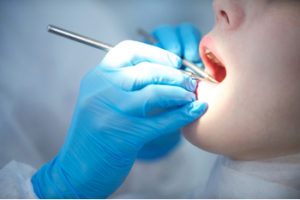
What Is Periodontics?
Periodontics is the branch of dentistry that focuses on the health of anatomical structures around the teeth. This includes the gum and bone tissue, periodontal ligament, and the tiny ligaments attaching the teeth to the bone. Periodontists receive three years of additional education and training in a residency beyond what a general dentist completes, focusing on implant dentistry and advanced periodontal treatment techniques. Dr. Shalom Mintz, our board-certified periodontist and implantologist, passed his boards in 2009 and has comprehensive training in both periodontics and implantology.
A periodontist performs advanced procedures that go beyond routine dental care, including periodontal surgery, laser-assisted treatments, and complex dental implant procedures. These professionals work closely with your general dentist to create comprehensive treatment plans for optimal oral health.
What Is Periodontal Disease?
Periodontal disease, also known as periodontitis, is an inflammatory disease that destroys the jawbone surrounding and supporting the teeth. This condition affects both soft tissue and bone tissue, leading to bone loss if left untreated. The Centers for Disease Control recently estimated that almost half (47.2%) of American adults have some form of periodontal disease. In adults who are 65 years and older, the percentage is 70.1%.
The disease begins with a bacterial infection of the gums caused by plaque buildup at the gum line. These bacteria produce harmful toxins, and the body responds by sending inflammation. The initial inflammation may cause redness, swelling, tenderness, and bleeding gums (gingivitis). Common periodontal disease symptoms include swollen gums, bad breath, and loose teeth in advanced stages. In smokers, these signs may not be present or evident.
If untreated, this inflammatory response to the toxic bacteria begins to destroy the bone surrounding the tooth root and becomes a chronic disease process. The formation of periodontal pockets and deep pockets between teeth and gums accelerates bone loss. Over time, as the supporting bone is lost, teeth can loosen and eventually fall out.
Periodontal disease can affect one small area of the mouth or every single tooth. It can progress very slowly in some people and very rapidly in others. The initial cause is the bacterial infection, and there are many other risk factors that influence the disease. Smoking and diabetes make periodontitis more difficult to treat. Systemic diseases can also impact your body’s ability to fight oral inflammation. If you believe you are suffering from periodontal disease, contact our periodontists in New City today to get started with your treatment plan.
What Are Your Periodontal Treatment Options?
Our comprehensive approach to treating gum disease includes both non-surgical and surgical interventions.
Non-Surgical Treatments
- Scaling and root planing: This deep cleaning procedure removes plaque and tartar from tooth surfaces and root surfaces below the gum line
- Root planing smooths the root surfaces to help the gums reattach to the teeth
- Antibiotic therapy to target bacterial infections in periodontal pockets
- Periodontal maintenance
Surgical Interventions
- Gum graft procedures to cover exposed root areas and treat receding gums
- Bone grafting to regenerate lost bone tissue
- Tissue regeneration techniques to restore damaged structures
- Pocket reduction surgery to eliminate deep pockets
Why Is Periodontal Disease a Significant Concern?
Obviously, anything that could cause you to lose your teeth is a big deal. There are a few important reasons why periodontal disease, in particular, needs special attention.
A Silent Disease
We often call periodontal disease a “silent” disease because it is very common for people to be completely unaware of its presence. The early stages may only show subtle signs like occasional bleeding gums or mild bad breath. The initial stage of gingivitis may cause some noticeable symptoms, but the following stages often do not. Without pain or swelling, it is easy for someone who does not see a dentist regularly at their dentist’s office to be unaware of the slow, quiet erosion of the foundation around their teeth.
Link to Overall Health
Even more important than its silent progression is its link to the health of the rest of your body. Oral health issues can affect blood vessels throughout your body. Countless scientific studies show a link between both the inflammatory and infectious components of periodontal disease and other serious medical conditions. Untreated gum disease can make it more difficult to control blood sugar, causing a negative effect on diabetes.
Periodontal disease is associated with increases in a person’s risk for coronary heart disease, fatal heart attack, and stroke. A recent study found a specific type of bacteria associated with advanced gum disease in plaques in the brains of deceased Alzheimer’s patients.
Untreated periodontal disease does not stay in the mouth. It can affect the whole body! Early detection and treatment are essential to completely eradicate the infection before it impacts your overall health. Schedule your periodontal evaluation with our team in New City today by filling out our contact form.
What Other Conditions Do Periodontists Treat?
Periodontists treat many other conditions in the mouth in addition to gum disease. They perform cosmetic periodontal surgery by improving the appearance of the gums. They surgically place dental implants as an anchor for your dentist to replace missing teeth, including single tooth implant procedures and multiple implants. They improve the shape and size of the jawbone in areas waiting for dental implants. They also perform tooth extraction and sinus lifts to prepare for implants. The list goes on.
Gum Recession
Receding gums may be the result of gum disease, but it also occurs in healthy mouths. Heavy teeth grinding, aggressive tooth brushing, or inappropriate orthodontic movement of the teeth can lead to recession, too. When gums recede, the exposed root becomes vulnerable to sensitivity and decay.
Our periodontists in New City can choose from several techniques to either move or replace soft tissue to cover the roots of the teeth. Gum graft procedures restore both gum health and the patient’s ability to smile confidently. This improves both tooth sensitivity and the appearance of your smile.
Excessive Gum Tissue
Some people actually have too much gum tissue or a “gummy” smile. Our periodontists in New City often work in conjunction with cosmetic dentists to remove excess gum tissue and create beautiful smiles. This procedure reshapes the gum line for better aesthetics, particularly around the front tooth area. We also remove gum tissue to give your dentist access to a deep cavity.
Treating Missing Teeth
Dental implants are the most predictable way to replace a missing tooth. As professionals trained in the tissues surrounding a tooth, periodontists are also well-trained in placing dental implants into those tissues. Through advanced dental medicine techniques, we ensure optimal placement and integration. The implant itself replaces the root of a tooth, and your general dentist builds a crown onto the implant to replace the exposed portion of the tooth.
Because periodontal disease can affect dental implants (called peri-implantitis), your periodontist also cares for any problems that arise with dental implants.
Inadequate Jawbone
Replacing missing teeth with dental implants requires a minimum amount of jawbone. In patients who do not meet that minimum, additional treatment is required to build up that area of bone. Bone grafting procedures improve the width and height of bone available for a dental implant. These procedures restore bone tissue to support successful implant placement.
Frequently Asked Questions About Periodontics
What are the signs of periodontal disease?
Periodontal disease is often called a silent disease because it frequently progresses without noticeable pain. Common warning signs include gums that bleed during brushing or flossing, persistent bad breath, swollen or tender gum tissue, gums that appear to be pulling away from the teeth, and teeth that feel loose or have shifted position. In smokers, even these signs may be masked. Because the disease can cause significant bone loss before symptoms become obvious, regular dental checkups and periodontal screenings are the most reliable way to catch it early. If you are experiencing any of these symptoms, scheduling a consultation with our periodontics team is an important next step.
Can periodontal disease be reversed?
Whether periodontal disease can be reversed depends on its stage. In its earliest form, gingivitis, the infection is limited to the gum tissue and can be fully reversed with professional cleaning and improved home care. Once the disease advances to periodontitis, the bone loss it causes is permanent and cannot be reversed. However, periodontitis can be effectively treated and controlled to stop further destruction. Non-surgical treatments like scaling and root planing remove the bacterial deposits driving the infection, and surgical procedures can address deeper pockets and damaged bone structure. Early intervention produces the best outcomes, which is why prompt treatment matters.
Will a gum infection go away on its own?
A gum infection will not reliably resolve on its own and typically worsens without professional treatment. While the body’s immune response may temporarily reduce some symptoms, the underlying bacterial infection and the pockets that harbor it remain. Without treatment, the infection continues to damage the surrounding gum tissue and bone. Antibiotics may be prescribed as a supplement to treatment, but they do not replace the need to physically remove the bacterial deposits through scaling and root planing or surgical intervention. If you are experiencing symptoms of a gum infection, contacting our office promptly is the most effective course of action.
How is periodontal disease connected to overall health?
Research has established meaningful links between untreated periodontal disease and serious systemic conditions, including heart disease, stroke, and diabetes. The bacteria from infected periodontal pockets can enter the bloodstream and contribute to inflammation throughout the body. People with periodontal disease may have more difficulty managing blood sugar levels, creating a two-way relationship with diabetes where each condition can worsen the other. Studies have also found bacteria associated with advanced gum disease in brain tissue from deceased Alzheimer’s patients. Treating periodontal disease is not just about protecting your teeth; it is an investment in your overall health.
What are the stages of periodontal disease?
Periodontal disease progresses through several stages. Gingivitis is the earliest and only fully reversible stage, characterized by gum inflammation, redness, and bleeding without bone loss. Mild periodontitis involves the beginning of bone loss and deeper pockets between the teeth and gums. Moderate periodontitis reflects greater bone destruction and increased pocket depth, with potential loosening of the teeth. Severe periodontitis is the most advanced stage, with significant bone loss, deeply infected pockets, tooth mobility, and a high risk of tooth loss. The CDC estimates that nearly half of American adults have some form of periodontal disease, and that figure rises to 70% in adults over 65. Treatment at any stage can halt progression, but earlier intervention preserves more of the bone and tissue structure.
Can a periodontist place dental implants?
Yes. Periodontists are highly trained in placing dental implants because of their deep knowledge of the gum and bone tissues that surround and support them. Implant placement requires a thorough understanding of bone volume, tissue health, and healing biology, all of which fall within the scope of periodontal training. Periodontists also treat peri-implantitis, the condition that occurs when infection develops around an existing implant, threatening its long-term stability. At Rockland Dental Specialists, Dr. Shalom Mintz is both a board-certified periodontist and a credentialed implantologist, offering the full continuum of implant care from initial evaluation through final placement.
Schedule Your Periodontal Consultation at Rockland Dental Specialists
Rockland Dental Specialists offers comprehensive periodontal treatment in the New City, NY area. Board-certified periodontist and implantologist Dr. Shalom Mintz, along with Dr. David Peto and our team of periodontists and implant specialists, bring you quality oral care with more than 24 years of combined training. They are passionate about helping patients resolve their gum disease and maintain their overall oral health. We offer complimentary insurance verifications and create custom payment plans to accommodate each patient’s individual needs. Whether you need scaling and root planing or advanced surgical procedures, our team creates personalized treatment plans for each patient. Contact us today at (845) 259-2500 to speak with one of our team members about the periodontal and implant services we offer.
CONTACT
If you have any questions or comments please complete the form below. Thank you and we look forward to hearing from you.
VISIT
873 ROUTE 45 SUITE 201 NEW CITY, NY 10956
CORNER ROUTE 45 & NEW HEMPSTEAD ROAD