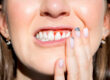
You noticed some redness and swelling around one tooth, and perhaps a little bleeding when you brushed. It seemed minor enough to ignore, so you did. However, weeks later, the soreness has crept to your neighboring teeth, and now you are left wondering whether what started as a small problem is becoming something bigger. Gum disease does not always stay put, and the way it moves through the mouth catches many people off guard.
At Rockland Dental Specialists, our periodontists and implant specialists see this pattern regularly. Patients come in expecting a localized issue only to learn that the infection has already affected multiple sites. Our periodontal treatment options are built around early detection and targeted intervention, with Dr. Shalom Mintz and Dr. David Peto working to stop the progression before it reaches healthy tissue.
How Periodontal Bacteria Move Through the Mouth
The bacteria responsible for gum disease do not stay confined to a single pocket. Saliva acts as a transport system, carrying harmful organisms like Porphyromonas gingivalis from inflamed areas to healthy gum tissue throughout the mouth. Every time you swallow, chew, or even talk, these bacteria redistribute across your teeth and gum line.
The stages of periodontal disease reflect this movement. What begins as gingivitis in one area, with mild inflammation and light bleeding, may progress to periodontitis if bacteria colonize the deep pockets forming around adjacent teeth. According to the Centers for Disease Control and Prevention, periodontitis affects about 4 in 10 adults ages 30 and older in the United States, and the condition becomes even more prevalent with age.
Factors That May Accelerate the Spread
Several conditions make it easier for gum disease to take hold in new areas of the mouth. Recognizing these risk factors may help you take action sooner rather than later.
Some of the most common contributors include:
- Poor oral hygiene habits allowing plaque to build up along the gumline and between teeth
- Smoking or tobacco use, which reduces blood flow to the gums and weakens the body’s immune response
- Uncontrolled diabetes, which impairs the body’s ability to fight bacterial infections
- Hormonal changes during pregnancy or menopause, making gum tissue more sensitive to bacteria
- Crowded or misaligned teeth creating hard-to-clean spaces where plaque accumulates
When any of these factors are present, bacteria may establish themselves more quickly in previously unaffected areas. Patients who notice the common signs of gum disease in even one part of their mouth should take it seriously, because what seems confined to one area today may not stay contained for long.
Why Early Treatment Makes a Difference
The most effective way to keep gum disease from moving to other parts of the mouth is to treat it early. Scaling and root planing removes the bacterial buildup beneath the gumline and smooths the root surfaces so tissue can reattach. For many patients, this non-surgical strategy is enough to halt the infection in its tracks.
When the disease has already advanced, more targeted intervention may be necessary. Pocket reduction surgery allows our periodontists to access deeper areas where bacteria have established themselves, clean out the infection, and reshape the bone to reduce future pocket formation. Dr. Mintz uses LANAP, a laser-assisted approach, to treat periodontal disease with less discomfort and faster healing times compared to traditional methods.
The Role of Consistent Maintenance
Treatment alone is not enough to prevent recurrence. At Rockland Dental Specialists, we typically schedule follow-up visits every three months during the first year after periodontal treatment. After the initial period, patients may alternate between our office and their general dentist for ongoing maintenance. Consistent monitoring allows our team to catch any new bacterial buildup before it has a chance to spread.
Frequently Asked Questions About Gum Disease Spreading in the Mouth
Can gum disease actually spread from one tooth to another?
Yes. The bacteria that cause gum disease travel through saliva and can move from an infected area to healthy gum tissue elsewhere in the mouth. Left untreated, an infection that starts around one tooth can gradually affect neighboring teeth and beyond.
How fast does gum disease spread once it starts?
The pace varies from person to person and depends on factors like oral hygiene, smoking, and underlying health conditions such as diabetes. In general, the longer bacterial buildup goes untreated, the more opportunity it has to reach new areas of the mouth.
What are early signs that gum disease may be spreading?
Watch for redness, swelling, or bleeding that appears in a new area of the mouth, along with tenderness or bad breath that does not go away. Noticing these changes early makes it easier to bring the infection under control before it advances further.
If one area is treated, can gum disease still affect the rest of my mouth?
Treating an active infection helps stop it from progressing, but ongoing maintenance is just as important. Regular cleanings and consistent home care help prevent bacteria from re-establishing themselves in other parts of the mouth.
What can I do between dental visits to keep gum disease from spreading?
Brushing twice a day, flossing daily, and avoiding tobacco use all help limit bacterial buildup along the gumline. Addressing risk factors like uncontrolled diabetes or hormonal changes with your healthcare provider can also reduce the chance of new areas becoming affected.
Protect Your Oral Health with Rockland Dental Specialists
Gum disease does not respect boundaries within your mouth, and waiting to see whether it spreads only gives the infection more time to do greater damage. With board-certified periodontist Dr. Shalom Mintz, Dr. David Peto, and the full team at Rockland Dental Specialists, patients receive thorough evaluations, advanced treatment options like LANAP, and a structured maintenance plan designed to keep periodontal disease from gaining ground.
If you have noticed bleeding, swelling, or tenderness in any part of your mouth, now is the time to stop gum disease before it worsens. Reach out to our team to schedule a consultation and start restoring your gum health.