“I grind my teeth.” This is a common statement heard by dentists, and many patients state it matter-of-factly with little concern that grinding your teeth could be a very bad thing. Teeth grinding is quite bad for you for a variety of reasons. Not only can teeth grinding cause both pain and deterioration of the teeth — it can also indicate a serious underlying health condition.
Bruxism affects people of all ages, though the causes and manifestations can differ. As we age, our bodies go through many changes, including changes in our oral health. With the right management techniques, however, bruxism can be controlled and prevented.
What Causes Bruxism?
Dentists use one term to describe the phenomenon of both clenching and grinding of the teeth: bruxism. Bruxism leaves visible evidence inside the mouth, so your dentist is likely to point it out during a periodic evaluation. While we do not understand all of the different causes of teeth clenching and/or grinding, one cause is very clear: Obstructive Sleep Apnea (or OSA).
Sleep apnea is a dangerous health condition that causes interruptions in breathing during sleep. When someone stops breathing, the oxygen levels in the bloodstream drop rapidly. Sleep apnea is linked to high blood pressure, stroke, obesity, chronic pain, and depression. Our bodies need oxygen to heal and repair themselves during sleep. When sleep apnea deprives the body of oxygen, managing medical problems becomes increasingly difficult.
One physiological reflex that results from a detected drop in oxygen levels in the brain is to bring the lower jaw up (toward the upper jaw) and even push it forward (toward the front of the face). This reflex tightens the tissues in the upper airway and helps the airway stay open to allow the flow of air and promote breathing. This reflex is a good thing. However, it has bad consequences. If a sleep apnea problem goes untreated, the body’s attempt to manage it can become very aggressive, causing extensive damage to the teeth and jaws.
Bruxism in older adults can stem from a variety of additional causes. As we age, natural wear and tear on our teeth and jaw can alter dental alignment, sometimes leading to bruxism as the body attempts to compensate for these changes. Stress and anxiety are also significant contributors, not diminishing in importance with age. Older adults might experience increased levels of stress due to life changes such as retirement, health issues, or loss of loved ones.
Medications commonly prescribed to seniors, including antidepressants or high blood pressure drugs, can also have side effects that may induce bruxism. Furthermore, neurological diseases like Parkinson’s or complications stemming from Alzheimer’s disease can exacerbate or lead to the development of teeth-grinding behaviors.
What Are the Symptoms of Bruxism?
Recognizing the symptoms of bruxism is crucial for timely management and treatment. Many people may not always report or be aware of teeth grinding, especially if it occurs primarily during sleep. Common signs include:
- Unusual tooth wear or damage: Chips, cracks, or flattening of the teeth.
- Increased tooth sensitivity: Heightened sensitivity to hot, cold, or sweet foods and drinks as a result of enamel being worn down from grinding.
- Jaw pain or stiffness: Persistent discomfort or soreness in the jaw, particularly upon waking.
- Headaches: Frequent, dull headaches, especially in the temple area, upon waking are a common symptom associated with bruxism.
- Sleep disturbances: Bruxism can interrupt sleep patterns, leading to insomnia or feeling unrefreshed in the morning.
Being attentive to these symptoms is the first step in managing bruxism effectively. Regular dental visits also play a crucial role in spotting this condition early and preventing further complications.
Teeth Grinding Can Severely Damage Your Teeth
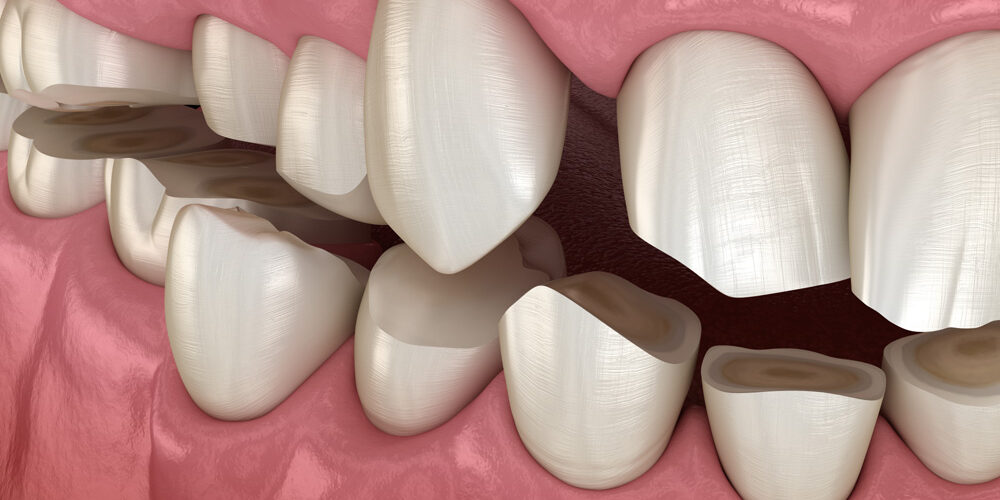
The heavy forces associated with bruxism are stronger than those the teeth are capable of withstanding. Teeth are covered in enamel, the hardest substance in the human body. However, the enamel is not impenetrable. When someone clenches or grinds their teeth heavily, the abnormally high forces cause friction between the upper and lower teeth, which gradually wears away the enamel.
Teeth grinding typically causes teeth that appear to be shortened, flattened, or chipped and jagged. This is not simply a cosmetic issue! As the teeth get shorter over time, the jaw muscles and joints are affected. Extensive dental treatment is necessary to repair the lost enamel.
Many people experience cracked teeth as the result of heavy grinding. A cracked tooth is not only difficult to diagnose; it is also difficult to treat. Depending on the extent of the crack, the tooth could require a dental crown, a root canal treatment, or an extraction (or even, in some cases, all of the above).
These heavy forces can also damage the gums and bone surrounding the teeth. People with heavy bruxism tend to have a higher risk for gum recession and bone loss than someone who protects his teeth against grinding.
Teeth Grinding Can Cause Chronic Headaches
Many people suffer from painful headaches or facial tension as the result of teeth grinding. The muscles in the face that bring the upper and lower jaws together are skeletal muscles, just like those in the rest of the body. When we overwork these muscles, they become fatigued and sore.
Someone with a heavy teeth grinding habit is likely to experience frequent headaches in the temples and forehead. Others have pain in their cheek and jaw muscles. Severe grinding can even lead to pain in the neck and shoulders.
Unfortunately, because this habit occurs during sleep, it is very difficult to address. The most effective measure against these headaches is wearing a protective nightguard to reduce the forces of these muscles. By separating the teeth, you can prevent full contraction of the jaw muscles.
Treatment Options for Bruxism
Effective treatment options designed to alleviate symptoms and improve overall oral health include:
- Custom night guards: A dentist can create a personalized mouthguard to protect the teeth from grinding during sleep. This not only prevents further damage but can also reduce jaw strain and discomfort.
- Stress management techniques: Since stress is a significant factor in bruxism, incorporating relaxation methods such as meditation, deep breathing exercises, or gentle yoga can be beneficial.
- Medication adjustment: If medications are contributing to bruxism, consulting with a healthcare provider about adjusting the dosage or switching to an alternative can help.
- Dental correction: In cases where misalignment or wear contributes to bruxism, dental treatments such as crowns, bridges, or orthodontics may be recommended to improve bite and prevent further grinding.
- Physical therapy: Exercises targeting the jaw and facial muscles can relieve tension, enhance mobility, and reduce pain associated with bruxism.
- Sleep apnea evaluation: If you show evidence of heavy bruxism, you should work with your dentist and medical doctor to determine whether you are at risk for sleep apnea and follow the steps necessary to diagnose and treat it.
Each of these treatments can be adjusted to suit specific circumstances and health profiles, ensuring a gentle yet effective path to managing bruxism. As always, consult with a healthcare provider to create an appropriate and comprehensive treatment plan.
Rockland Dental Specialists Can Help
At Rockland Dental Specialists, we understand the unique challenges bruxism presents at every stage of life. We use advanced diagnostic tools and personalized treatment plans to address the root causes of bruxism, ensuring not only symptom relief but also long-term prevention of dental complications. We prioritize your comfort and safety, offering a state-of-the-art facility designed to make your visits as stress-free as possible.
From custom night guards to behavioral therapies, our wide range of treatment options are aimed at improving your oral health and overall well-being. Trust Rockland Dental Specialists to help you manage bruxism effectively.
Call us at (845) 259-2500 or visit our contact form to schedule a consultation with our dental experts. We can assess your current situation for signs of teeth grinding and help you take measures to prevent the dangerous side effects of grinding and protect your oral health for the rest of your life.