A dental implant has one foundational job: fuse with your jawbone and stay there. When that process breaks down, the consequences go well beyond a loose restoration. Failed osseointegration can mean bone loss, infection, and the need for additional surgery before a new implant may be placed. Knowing what causes integration failure, and what warning signs to watch for, puts you in a far better position to protect your outcome.
At Rockland Dental Specialists in New City, New York, our periodontists and implant specialists, led by board-certified Dr. Shalom Mintz and Dr. David Peto, provide dental implants for patients throughout Rockland County. With over 24 years of combined experience, our team takes a thorough, individualized approach to planning and placing implants, with the goal of delivering results built to last.
What Is Osseointegration, and Why Does It Matter?
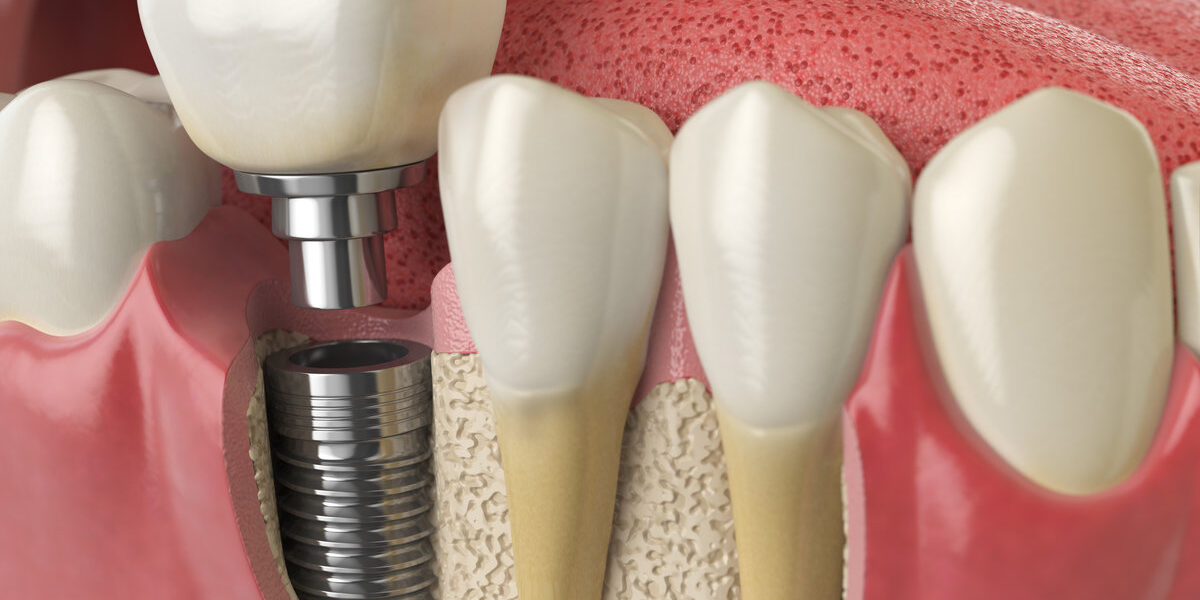
Osseointegration is the biological process by which a titanium implant post bonds directly with the surrounding jawbone. Over the weeks and months following placement, bone cells grow into the surface of the implant and anchor it in place, creating a stable foundation for the crown. This integration is what makes implants function like natural tooth roots rather than simply resting in the mouth.
When osseointegration fails, the implant never achieves that stable bond. It may remain mobile, continue to feel uncomfortable, or gradually loosen. Research published in a 2021 retrospective cohort study in Biomedical Research International identified a range of patient-related, surgical, and prosthetic factors that can influence whether osseointegration succeeds or fails, underscoring that proper candidate evaluation and surgical planning are essential from the start.
Common Causes of Integration Failure
Osseointegration failure does not have a single cause. Several factors, alone or in combination, may prevent the implant from bonding successfully with the bone.
Systemic Health and Bone Quality
Poor bone density at the implant site is one of the leading contributors to integration failure. Patients with untreated periodontal disease often have compromised bone before placement even begins. Systemic conditions such as uncontrolled diabetes, autoimmune disorders, and certain medications that affect bone metabolism may also disrupt the healing environment. Smoking is another well-documented risk factor, as it reduces blood flow to the surgical site and slows the cellular activity required for bone bonding.
Surgical and Post-Operative Factors
Precision during placement matters enormously. Overheating the bone during drilling, placing an implant in an area with insufficient bone volume, or insufficient primary stability at the time of surgery can all compromise the integration process. Post-operative infection, excessive movement of the implant during healing, and poor oral hygiene around the site can further interfere with the bone’s ability to integrate with the implant surface.
Warning Signs to Watch For
Integration problems do not always announce themselves loudly. Some warning signs are subtle, particularly in the early weeks following surgery. The following symptoms may indicate the implant is not integrating as expected:
- Persistent pain or discomfort that does not improve over time
- Noticeable movement or looseness when biting or pressing on the implant
- Swelling, redness, or discharge at the surgical site beyond the initial healing window
- A dull aching sensation in the jaw around the implant
- A feeling the implant is “off” or uncomfortable when the area is tested
These signs do not automatically mean the implant has failed, but they warrant prompt evaluation to determine whether the healing process is on track.
What Happens Next if the Implant Fails
When an implant fails to integrate, removal is typically necessary to prevent further bone loss and allow the site to heal. Depending on how much bone was affected, a patient may need bone grafting to rebuild the site before a second attempt may be made. In some cases, socket preservation or additional preparatory procedures may be recommended to optimize conditions for replacement.
Patients who experienced failure due to modifiable factors, such as smoking or uncontrolled systemic conditions, may be able to address those issues and become candidates for immediate implant replacement or a staged second placement once the underlying conditions are better managed. Our team evaluates each case individually and discusses realistic next steps based on your specific anatomy and health history.
Schedule Your Consultation at Rockland Dental Specialists
Implant failure is not the end of the road, but the best outcome is still one where it is avoided in the first place. At Rockland Dental Specialists, Dr. Shalom Mintz, Dr. David Peto, and our full team of periodontists and implant specialists conduct thorough evaluations before every implant procedure, reviewing bone quality, health history, and risk factors to give each patient the strongest possible foundation for success. Our high-end New City office offers complimentary insurance verifications and custom payment plans designed to make quality care accessible.
To discuss your implant options or address a concern about an existing implant, contact our team today. We look forward to helping you move forward with confidence.