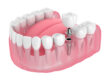
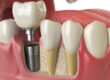
When a dental implant is placed, the real work has only just begun. The titanium post sitting in your jawbone must go through a remarkable biological process before it can support a permanent crown. The outcome of that process determines whether your implant will last for decades. Osseointegration, the direct structural and functional connection between living bone and the implant surface, is what separates a successful restoration from one that fails.
At Rockland Dental Specialists, our periodontists and implant specialists guide patients through every phase of the dental implant process with precision and personalized care. Dr. Shalom Mintz, board-certified in periodontics and implantology, leads a team that includes Dr. David Peto, all of whom bring over 24 years of combined experience to implant care in Rockland County. Understanding what happens inside your jaw after implant surgery helps you take the right steps to protect your results and set yourself up for the best chance of long-term success.
What Is Osseointegration?
Osseointegration was first described by Swedish orthopedic surgeon Per-Ingvar Brånemark in the 1950s and 1960s when he discovered titanium could bond directly to living bone tissue without being rejected. Today, the term refers to the process by which bone cells gradually grow onto and around the surface of a titanium implant post, anchoring it as firmly as a natural tooth root. As noted in a review published by the National Institutes of Health, osseointegration involves a series of complex cellular and molecular events that lead to a direct structural and functional connection between the implant surface and the bone.
The outcome is a foundation strong enough to absorb the full forces of biting and chewing, making implants the most stable form of tooth replacement available.
How Implant Surface Technology Has Changed the Timeline
Not all titanium implant surfaces integrate at the same speed. Older machined-surface implants generally required a longer, more conservative healing period before they could safely bear a crown. Many implants placed today use roughened or chemically modified surfaces, sometimes described as hydrophilic surfaces, that are designed to attract blood and bone-forming cells to the implant more quickly. This has allowed some patients with favorable bone quality to move to earlier loading protocols than would have been considered standard in years past.
This does not mean every patient is a candidate for a shortened timeline. Your bone density, the location of the implant, and your overall health still determine whether an earlier loading approach is appropriate, which is why the evaluation described below matters as much as the implant itself.
How Does the Osseointegration Timeline Work?
The dental implant process begins with the surgical placement of the titanium post into the jawbone. In the days immediately following surgery, the body’s natural healing response brings blood flow and cellular activity to the site, which initiates bone remodeling. This early phase is critical, and any disruption to the implant before healing is complete can interfere with how it fuses to the bone.
Most patients experience a healing timeline of three to six months, though this varies depending on individual health, the location of the implant, and bone density. According to the National Institute of Dental and Craniofacial Research, bone and tissue healing after implant placement is influenced by factors including overall health, oral hygiene habits, and the quality of the surrounding bone. Once integration is confirmed through imaging, a permanent crown or restoration is attached, and the implant may function just like a natural tooth.
What Factors Affect Osseointegration Success?
Several factors can influence whether bone fusion proceeds as expected, and our team evaluates each of these during your consultation and throughout your care. The following are among the most significant considerations:
- Bone volume and density: Patients with inadequate bone may require a bone grafting procedure before placement to build a stable foundation.
- Systemic health conditions: Uncontrolled diabetes and other health issues have been shown to slow healing and reduce osseointegration success rates.
- Smoking: Tobacco use restricts blood flow to the gums and bone, significantly increasing the risk of implant failure during integration.
- Oral hygiene: Bacterial infection around the implant site can disrupt bone bonding and compromise the implant long-term.
Patients often wonder if they are a good fit for this procedure, and we recommend you read our blog, Am I a good candidate for dental implants, to discover greater details about the criteria. If you have any risk factors, addressing them before surgery is one of the best ways to support the process, giving you a better chance of having successful results.
How to Support Osseointegration After Surgery
Your behavior in the months following implant placement plays a direct role in whether osseointegration succeeds. Protecting the surgical site, maintaining excellent oral hygiene, and following post-operative instructions carefully all contribute to healthy bone bonding. Avoiding hard or crunchy foods, refraining from smoking, and attending every scheduled follow-up appointment are essential steps during this post-surgery period.
Our team schedules your first follow-up within two weeks of surgery, a second check around eight to ten weeks post-surgery, and then quarterly visits throughout the first year. After that, patients alternate every three months between our office and their general dentist. When osseointegration is successful, patients can expect dental implants to last for many years with proper care.
Contact Rockland Dental Specialists About Dental Implants
Osseointegration is the biological foundation that makes dental implants the most durable tooth replacement option available. Getting it right requires the guidance of periodontists and implant specialists who understand every stage of the process. At Rockland Dental Specialists, Dr. Mintz, Dr. Peto, and Dr. Ilenikhena bring the knowledge and attentiveness needed to support your implant from the day of placement through full integration and beyond.
If you are considering dental implants or have questions about the osseointegration process, we are ready to help you explore the details and move forward with confidence toward a stable, long-lasting smile. Contact our office today to schedule your consultation.
Frequently Asked Questions About Osseointegration
How do I know if osseointegration is happening successfully?
Your dental team confirms successful integration through follow-up imaging and clinical checks at scheduled visits, not just how the implant feels. A stable implant that shows no mobility and healthy surrounding bone on imaging is generally considered well integrated.
Can osseointegration fail after it initially seems successful?
Yes, in rare cases late failure can occur, often related to bacterial infection around the implant, excessive biting forces, or underlying health changes such as poorly controlled diabetes. This is why ongoing maintenance visits continue even after initial healing is confirmed.
Do newer implant surfaces really integrate faster than older ones?
Many modern roughened and hydrophilic implant surfaces are designed to attract bone-forming cells more quickly than older machined surfaces, which has allowed earlier loading in some favorable cases. Whether a faster timeline applies to you still depends on your individual bone quality and health.
What can I do if I have low bone density before getting an implant?
A bone grafting procedure can build up the volume and density needed to support an implant before placement. Our team evaluates your bone during your consultation and will recommend grafting if it will improve your chances of successful osseointegration.
Does smoking really affect whether my implant integrates properly?
Yes. Smoking restricts blood flow to the gums and bone, which meaningfully increases the risk of implant failure during the integration period. Reducing or stopping smoking before and after surgery improves your odds of a successful outcome.