Dental implants are widely regarded as the gold standard for replacing missing teeth, and for good reason. They function like natural teeth, preserve jawbone health, and can last a lifetime with proper care. But when people start exploring this option, one of the first questions that comes up is cost. The price of dental implants can vary quite a bit from person to person, and understanding why makes it much easier to plan ahead.
At Rockland Dental Specialists, we work with patients to make implants accessible and straightforward. We offer complimentary insurance verifications and build custom payment plans tailored to each patient’s needs. Before diving into financial planning, though, it helps to know what actually drives the cost of dental implants and what you can expect going into the process.
What Goes Into the Price of a Dental Implant
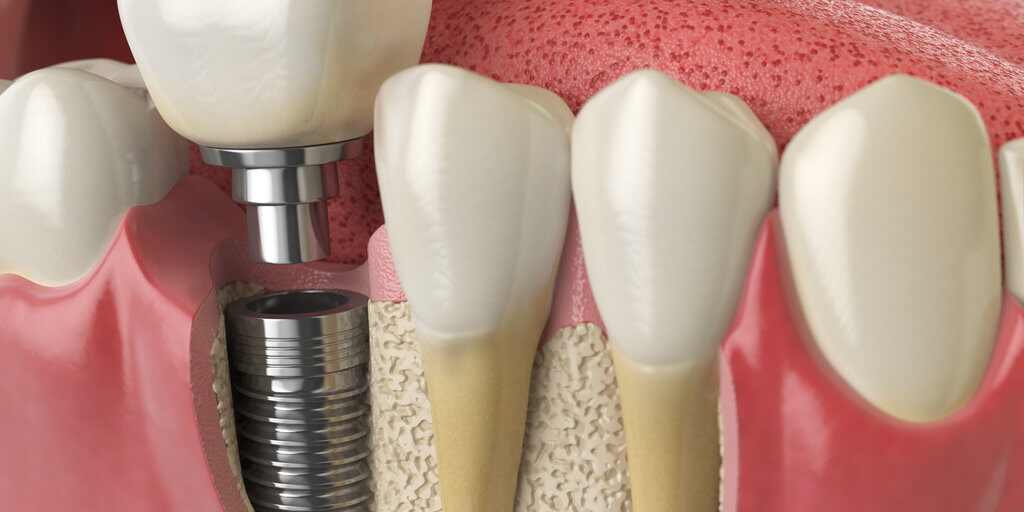
The cost of a single dental implant is not a flat, universal number. Several moving parts contribute to the final figure, and each patient’s situation is different. At its most basic level, a dental implant consists of three components: the titanium post that anchors into the jawbone, the abutment that connects the post to the restoration, and the crown that sits on top. Each element has its own cost, and together they form the complete restoration.
Beyond the implant itself, the complexity of the procedure plays a significant role. A patient with healthy bone and gums will have a more straightforward process than someone who needs preparatory work first.
Bone Density and Preparatory Procedures
One of the more significant variables in implant pricing is whether the jawbone has enough density and volume to support an implant. When teeth are lost and left unreplaced, the bone beneath them begins to resorb over time. According to the National Institute of Dental and Craniofacial Research, tooth loss is a widespread concern in American adults, with bone loss often following closely behind.
If significant bone loss has occurred, a bone graft or sinus lift may be necessary before placing the implant. These preparatory procedures add to both the timeline and the overall cost, but they are essential for ensuring a stable, long-lasting result.
Number of Implants Needed
The scope of tooth replacement directly affects the price. A single implant will cost less than multiple implants, and full-arch restorations involve a larger investment. Some patients opt for implant-supported bridges or dentures, which use fewer implants to support multiple teeth and can offer a more cost-effective path to full restoration.
Tooth Extractions and Periodontal Health
If the tooth being replaced has not yet been removed, an extraction will be necessary prior to implant placement. Additionally, periodontal disease must be addressed before any implant procedure begins. Placing an implant in a mouth with active gum disease significantly increases the risk of implant failure, so treatment of existing infections is a non-negotiable part of the process.
Patients with gum concerns should not be discouraged. These are treatable conditions, and addressing them early sets the foundation for a successful outcome.
The Type of Restoration and Materials Used
Not all crowns are created equal. The material used for the crown portion of the implant, whether porcelain, zirconia, or a combination, affects both the aesthetics and the cost. High-quality materials that blend seamlessly with natural teeth tend to be priced at a premium, but they also provide superior durability and a more natural appearance.
The surgical approach also matters. Some cases call for specialized techniques or technology, such as guided implant placement, which uses digital imaging to position the implant with greater precision. This advanced approach can affect the overall cost but often results in a smoother procedure and faster recovery.
Location of the Implant in the Mouth
Where the implant is placed matters more than most people realize. Implants in the front of the mouth are highly visible and require careful attention to aesthetics, while back teeth bear more force when chewing and may require additional structural support. Oral surgery in these areas can involve different levels of complexity, and that nuance is reflected in the cost.
Financing and Insurance at Rockland Dental Specialists
Dental implants are rarely covered in full by dental insurance, though some plans provide partial coverage for certain components. The good news is that there are financing options that make the investment manageable over time. At Rockland Dental Specialists, we encourage patients to explore our payment options and take advantage of complimentary insurance verification, so you walk in knowing what to expect.
Cost should not be the reason someone continues to live with missing teeth. Implants protect the integrity of the jawbone, improve chewing function, and restore confidence in a way no other restoration can.
Frequently Asked Questions
Is the cost of a dental implant a single flat fee?
No. A dental implant is priced based on several components, including the titanium post, the abutment, and the crown, plus factors like bone grafting needs, the number of implants, and the materials used for the restoration.
Why might I need a bone graft before getting a dental implant?
When a tooth is lost and not replaced, the jawbone beneath it can begin to resorb over time. If bone density and volume are insufficient to support an implant, a bone graft or sinus lift is needed first to create a stable foundation.
Does gum disease need to be treated before getting an implant?
Yes. Placing an implant in a mouth with active periodontal disease significantly increases the risk of implant failure, so any existing gum infection must be treated first.
Does dental insurance typically cover the cost of implants?
Implants are rarely covered in full by dental insurance, though some plans provide partial coverage for certain components. Financing options and payment plans can help make the investment more manageable.
Does the location of the implant in the mouth affect the price?
Yes. Implants in the front of the mouth require extra attention to aesthetics, while back teeth bear more chewing force and may need additional structural support, both of which can affect complexity and cost.
Rockland Dental Specialists: Your Implant Care Team
At Rockland Dental Specialists, our team brings together a depth of knowledge across periodontics, oral surgery, and implant dentistry under one roof. Ourteam is committed to providing a calm, stress-free experience from the initial consultation through the final restoration. We take the time to walk each patient through their specific situation, answer every question, and build a treatment plan that makes sense for their health and their budget.
If you have been considering dental implants and want to understand what the process would look like for you, we are here to help. Reach out through our contact form to schedule a consultation and take the first step toward a complete, confident smile.