Quitting smoking is one of the hardest things a person can do, but when tooth loss is also part of the picture, the road forward can feel even more complicated. You may have heard that smoking and dental implants don’t mix well, and that is certainly a concern. However, while it may be difficult, that doesn’t mean it’s impossible. Understanding the real relationship between smoking and implant success is the first step to knowing whether this tooth replacement option is within reach for you.
At Rockland Dental Specialists in New City, our periodontists and implant specialists work with patients from all backgrounds, including those who smoke or have a history of tobacco use. Dr. Shalom Mintz, board-certified in periodontics and implantology, and Dr. David Peto bring over 24 years of combined experience to implant evaluations, taking each patient’s full health picture into account before recommending a treatment plan. If you’ve been wondering whether dental implants are still an option for you, here’s what you need to know.
Does Smoking Affect Dental Implant Success?
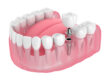
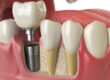
Yes, smoking does affect implant outcomes, and it’s important to understand why. Tobacco use reduces blood flow to the gums and surrounding tissues, which slows the healing process after implant placement. More critically, smoking impairs osseointegration, which is the biological process by which the titanium implant post fuses with the jawbone. Without strong fusion into the bone, an implant is at far greater risk of loosening or failing entirely.
Research supports this concern as well. According to a systematic review published by the National Library of Medicine, smokers experience significantly higher implant failure rates compared to non-smokers, with the risk increasing based on the volume and duration of tobacco use. This doesn’t mean every smoker will experience implant failure, but it does mean the risks need to be honestly evaluated before moving forward.
Can Smokers Still Be Candidates for Dental Implants?
Many smokers are still candidates for dental implants, particularly with the right preparation and commitment. The key factors our team evaluates include the health of the gum tissue, bone density in the jaw, and whether existing periodontal disease is present or has been treated. Smokers are disproportionately affected by gum disease, which can lead to bone loss over time and further complicate implant placement.
For patients who smoke, a thorough evaluation is essential before any implant procedure. In some cases, treatment for gum disease must be completed first. Procedures like scaling and root planing can help stabilize the gum environment and reduce bacterial buildup that smoking often worsens. Once the tissue is healthier, implants are far more viable of an option.
How Does Quitting or Reducing Smoking Change the Outcome?
The Impact of Smoking Cessation Before Surgery
Stopping smoking before implant surgery is one of the most important steps a patient can take. Studies consistently show that patients who quit tobacco use in the weeks leading up to implant placement experience significantly improved healing outcomes. Blood flow normalizes, tissue responds better to surgical procedures, and osseointegration proceeds more predictably. Even reducing the amount smoked can have a greater positive effect on recovery.
Aftercare and Long-Term Maintenance
The period immediately following implant surgery is especially critical for smokers and former smokers. Tobacco use after placement can disrupt clot formation, delay tissue healing, and increase the risk of a condition called peri-implantitis, which is an infection around the implant site similar to gum disease.
Patients who continue smoking after implant surgery are at a higher risk for long-term implant complications. Our team provides detailed post-surgical guidance and schedules close follow-up appointments to monitor healing, including a visit within two weeks of surgery and again at eight to ten weeks post-procedure.
What Other Factors Does Our Team Consider?
Smoking is one piece of a much larger picture. Our periodontists and implant specialists also assess bone volume and quality, which can be affected by years of tobacco use combined with tooth loss. In cases where bone has deteriorated, a bone graft may be recommended before placing the implant to ensure there is enough stable structure for long-term support. Patients should also be aware that immediate implant replacement may not always be the recommended approach for smokers, as the healing demands are higher immediately following an extraction.
Every patient’s situation is different, and there is no one-size-fits-all answer here. The most important thing a smoker can do is come in for a thorough consultation rather than assume implants aren’t an option.
Schedule a Consultation at Rockland Dental Specialists
If you smoke and have been living with missing teeth, you don’t have to rule out implants before speaking with someone who knows the full picture. Dr. Mintz, Dr. Peto, and the team at Rockland Dental Specialists take a personalized approach to every implant evaluation, weighing your health history, gum condition, and bone structure together to determine what’s possible.
Our high-end office in New City is designed to make every visit comfortable with large dental chairs, complimentary Keurig coffee and in-room entertainment, and we offer complimentary insurance verification and flexible payment options to support your care. Take the first step by reaching out to Dr. Shalom Mintz and the team today. To schedule a consultation, contact us here.