Each year, the American Cancer Society estimates about 60,480 new cases of oral cavity and oropharyngeal cancer in the United States, making early detection and timely treatment more important than ever. Oral cancer treatment varies based on the type and stage of the disease, the location of the tumor within the mouth or throat, and individual factors such as a patient’s age and overall health. Understanding what treatment may involve can help patients approach the process with clarity and confidence.
At Rockland Dental Specialists, Dr. Mintz and our team are equipped to support patients navigating the complexities of oral disease, from oral cancer screenings to coordinating care alongside a patient’s broader medical team. As part of the oral surgery services we provide in New City, NY, we understand the critical role a dental practice plays in the early identification and ongoing management of conditions affecting the mouth and surrounding structures.
Understanding Oral Cancer Treatment Options
Oral cancer treatment typically involves a care team made up of an oral surgeon, a radiation oncologist, a medical oncologist, and your dentist, with each member playing a distinct role in managing the disease and supporting recovery. The most common form of oral cancer is squamous cell carcinoma. It develops when cancer begins in the cells that line the mouth, tongue, gums, or throat.
The appropriate course of treatment depends on the stage of the cancer and how far it may have spread, a process known as metastasis, which is why routine dental care and early oral cancer screenings remain so important.
Treatment methods vary depending on the form of mouth cancer, what stage it is in, and other factors. The available oral cancer treatment options may include one or more of the following approaches.
Surgical Solutions
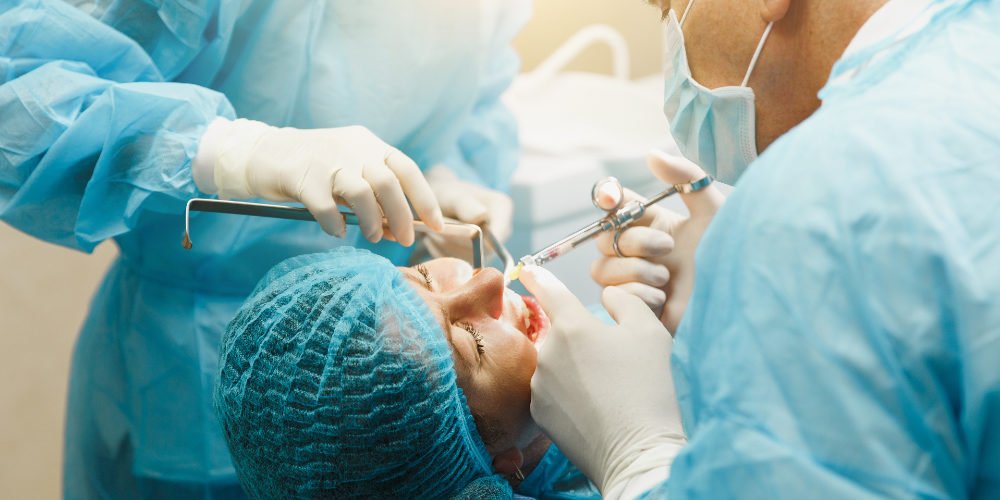
Depending on the type of cancer, age, and overall health, a care team may recommend surgery to remove the affected area of the oral cavity. After biopsies, imaging, and preparation, surgical intervention for oral cancer treatment may involve:
- Tumor surgery: Removal of a cancerous growth or tumor from the oral cavity.
- Glossectomy: Partial or complete removal of the tongue.
- Mandibulectomy: Surgery for cancer affecting the jaw.
- Maxillectomy: Surgery involving the roof of the mouth.
- Neck dissection: For cases where oral cancer has spread to the lymph nodes or surrounding tissue.
The scope of the surgical procedure is determined by the stage of the cancer’s progression and the specific oral structures affected. In cases where the cancer has reached nearby tissue, more complex procedures may be necessary to achieve complete removal.
Radiation Therapy
Radiation therapy uses high-energy beams to target and destroy cancer cells, either to inhibit tumor growth or to eliminate cancerous tissue altogether. It is frequently used across multiple stages of oral cancer treatment, either as a standalone approach or in combination with chemotherapy. Each session is generally short, with a medical team supervising the patient at all times. The specific techniques used will differ based on where the tumor is located. Radiation to the head and neck affects the oral cavity over time, sometimes causing dry mouth, difficulty swallowing, or changes in taste, all of which a dental team can help monitor and manage.
Chemotherapy
Chemotherapy uses anti-cancer drugs to shrink or eliminate abnormal cells in the oral cavity. It is often combined with radiation therapy for certain types and stages of oral cancer treatment. As with radiation, chemotherapy can affect oral health, increasing the risk of dry mouth, tooth decay, and mouth sores. Your dental team can help assess and manage these changes throughout the course of treatment.
Targeted Therapy and Immunotherapy for Oral Cancer
Newer approaches to oral cancer treatment also include targeted therapy and immunotherapy, which are increasingly used alongside or in place of traditional treatments depending on the diagnosis. Targeted therapy uses drugs designed to identify and interfere with specific proteins that allow cancer cells to grow and spread. Immunotherapy works by helping the body’s own immune system recognize and fight cancer cells more effectively, and it is particularly relevant for oropharyngeal cancers connected to HPV (human papillomavirus), which has become a risk factor for mouth and throat cancers in recent years. Your oncologist will determine whether either approach is appropriate based on your diagnosis, tumor markers, and overall health.
What to Know About Post-Treatment Oral Care
The oral cavity is vital for eating, speaking, and the overall function of the head and neck. For this reason, care does not stop once oral cancer treatment is complete. Post-operative rehabilitation is an important part of recovery and may involve speech and swallowing therapy, lifestyle changes such as smoking cessation, reconstructive surgery of the mouth, tongue, or jaw, and ongoing periodontal maintenance appointments to preserve oral health throughout the process.
Nutritional support is also often necessary, particularly for patients who experience changes in taste or tooth loss as a result of treatment. Despite the challenges oral cancer treatment can present, your dental team remains an active part of early detection, rehabilitation, and long-term oral health maintenance.
Oral Cancer Care at Rockland Dental Specialists in New City, NY
At Rockland Dental Specialists, our periodontists and implant specialists understand the complexity of oral diseases and medical conditions affecting the mouth, including oral cancer, and we are committed to being a reliable part of your care team at every stage of the process. We offer complimentary insurance verifications and custom payment plans designed to make dental care as accessible as possible, and our high-end office is built around providing a calm, stress-free environment for every visit. Whether you are coming in for a routine examination or require more involved support during an active treatment period, our team is here to help you maintain your oral health and comfort.
If you have noticed changes to your gums, tongue, or any part of your mouth, or if you have gotten an oral cancer diagnosis and need dental support alongside your medical team, we encourage you to reach out. Complete our contact form to schedule an appointment with Rockland Dental Specialists today.