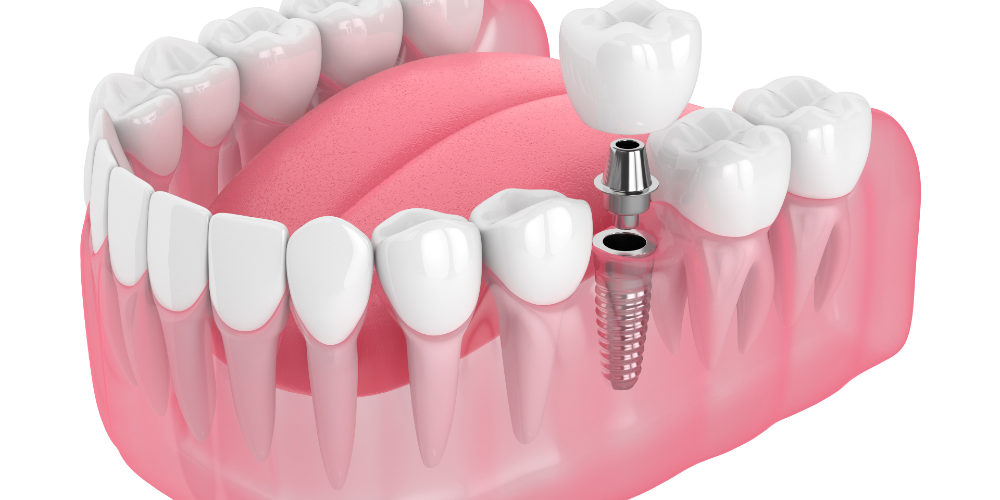
Not every patient who needs dental implants is immediately ready for implant placement. If you have insufficient bone height in your upper jaw, a sinus lift may be necessary first. During sinus lift surgery, the sinus membrane is carefully elevated to create space beneath it, allowing a bone graft to be placed. Over several months, the graft integrates into your natural jawbone, giving implants the solid foundation they need to anchor securely and last long-term. This is one of the most common preparatory procedures in implant dentistry, and research published by the National Institutes of Health confirms that maxillary sinus augmentation enables predictable implant placement even in patients with significant bone loss.
At Rockland Dental Specialists, our periodontists and implant specialists bring over 24 years of combined experience to every procedure. Dr. Shalom Mintz, board-certified in periodontics and implantology, leads our periodontics team in evaluating each patient individually using health history, 3D imaging, and an assessment of your existing bone height to determine whether sinus lift surgery is the right step before moving forward with implants. We communicate clearly and consistently throughout the process, so you always know what to expect.
Who May Need a Sinus Lift Before Getting Dental Implants?
Patients with bone loss in the upper jaw typically require a sinus lift before dental implant placement because implant posts need a strong foundation to function properly and last for years. When bone height is insufficient, the implants cannot anchor correctly. Several factors can lead to this kind of bone loss, including the following:
Missing Teeth
When teeth are lost and left untreated, the jawbone in that area no longer receives the stimulation it gets from chewing. This causes a process called jawbone resorption, where the bone gradually shrinks and loses density. In these cases, sinus lift surgery helps rebuild the bone height needed before implants can be placed.
Long-Time Denture User
Dentures replace the visible portion of a missing tooth but do not restore stimulation at the root level. Over time, patients who have worn dentures for years often experience progressive bone loss in the upper jaw. We may recommend a sinus lift to restore adequate bone before implant placement begins.
Maxillary Sinus and Jaw Proximity
The sinus cavity sits just above the upper back teeth, and in some patients, the sinus floor sits unusually close to the jaw ridge. When there is too little space between the two, implants risk penetrating the sinus. Sinus lift surgery corrects this by creating adequate bone height and distance between the implant site and the sinus cavity.
Gum Disease
Advanced periodontal disease not only affects the gums; it can also erode the surrounding bone structure over time. When significant bone loss has occurred as a result of gum disease, sinus lift surgery may be needed to restore adequate bone height before implants can be placed successfully.
Prior Tooth Loss Left Untreated
The longer a tooth has been missing, the more the surrounding bone tends to resorb. Without the stimulation of a tooth root, the upper jawbone naturally loses volume over time. Patients who have had untreated tooth loss for an extended period often require sinus lift surgery to rebuild the bone needed to support long-term implant placement.
Each of these situations is manageable when caught and treated properly. Our periodontists use 3D imaging to assess bone height and sinus anatomy precisely before recommending any preparatory procedure. For patients who also need bone grafting in other areas, we offer bone grafting services as part of a comprehensive implant treatment plan.
What to Expect During and After Sinus Lift Surgery
Sinus lift surgery is performed in our oral surgery suite under anesthesia, so the procedure is comfortable and controlled. Our team is trained to handle the sinus membrane with precision to minimize disruption to surrounding tissue. After surgery, patients may notice mild swelling or sinus pressure for a few days, both of which are normal parts of the healing process.
Healing typically takes several months as the bone graft integrates. We schedule follow-up appointments at the two-week mark, again around eight to ten weeks post-surgery, and every three months for the first year to monitor your progress. We are available throughout recovery to answer questions and address any concerns.
Frequently Asked Questions About Sinus Lifts for Dental Implants
How do I know if I need a sinus lift before getting dental implants?
Your periodontist or implant specialist will use 3D imaging to measure the bone height in your upper jaw and assess how close the sinus floor sits to the planned implant site. If there isn’t enough bone to support an implant securely, a sinus lift is typically recommended to build up that foundation before implant placement moves forward.
How long do I need to wait between a sinus lift and getting my dental implant?
Healing time varies from patient to patient, but the bone graft used during a sinus lift generally needs several months to integrate fully with the surrounding jawbone. Your provider will monitor your progress with follow-up visits and imaging to confirm the graft has matured enough before the implant is placed.
Is sinus lift surgery painful?
Sinus lift surgery is performed under anesthesia, so the procedure itself is not painful. Afterward, it is common to experience some mild swelling or sinus pressure for a few days, which is a normal part of healing and can typically be managed with the aftercare guidance your provider gives you.
Can a sinus lift and dental implant be placed during the same appointment?
In some cases, when there is enough existing bone height, a sinus lift and implant placement can be performed together. When bone loss is more significant, the two procedures are usually staged so the graft has adequate time to heal before the implant is placed.
What happens if a needed sinus lift is skipped before implant placement?
Without adequate bone height, an implant placed near the sinus cavity carries a higher risk of failing to anchor properly or of complications involving the sinus membrane. This is why providers carefully evaluate bone height and sinus proximity before recommending whether a sinus lift is needed first.
Schedule a Sinus Lift Consultation at Rockland Dental Specialists
At Rockland Dental Specialists, Dr. Shalom Mintz, Dr. Lisa Nava Cohen, Dr. Rachel Snyder, periodontist Dr. David Peto, and endodontist Dr. George Ilenikhena work together to deliver care that is both precise and personalized. Our team uses state-of-the-art technology, including 3D imaging, to ensure every treatment decision is based on accurate, detailed data. We offer complimentary insurance verification and flexible payment plans to make your care as accessible as possible.
Our high-end office is designed with your comfort in mind, featuring large dental chairs, in-room entertainment, and complimentary Keurig coffee. Whether or not you ultimately need sinus lift surgery, our team will give you a clear, honest picture of your options from day one. To find out if a sinus lift is the right step toward your dental implants, fill out our contact form to request a consultation today.