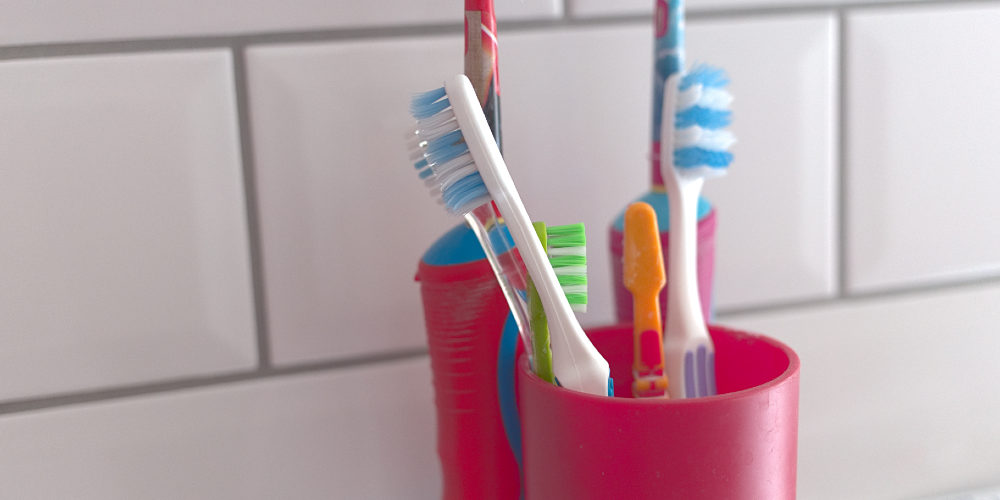
Choosing the right toothbrush matters more than most people think. The wrong brush can damage your enamel or leave plaque behind, both of which lead to bigger dental problems over time. Brushing your teeth should be a non-negotiable part of your daily routine, but when something becomes automatic, you may stop asking whether you are doing it the best way possible, and that includes the tool you use.
This guide covers the key factors to consider when selecting a toothbrush, from bristle type and brush style to features worth paying for. Our team at Rockland Dental Specialists works with patients across Rockland County to help them build oral hygiene habits that last.
The Most Important Factor: Bristles
Always choose a toothbrush with soft bristles. Dental plaque is soft enough to be removed with a washcloth, which means medium or hard bristles offer no additional cleaning benefit, and they can actively harm your teeth and gums over time.
One of the most common myths about toothbrushes is that firmer bristles remove plaque more effectively. This is not only false; it is dangerous. Over time, hard bristles can wear away your natural tooth structure through enamel erosion. This is especially true on exposed root surfaces, which lack a protective enamel coating. Soft bristles clean just as thoroughly without that risk. According to the University of Iowa College of Dentistry, the main factor in effective plaque removal is the brushing technique, not bristle firmness.
Electric vs. Manual Toothbrushes
Electric toothbrushes have become more affordable and widely available in recent years. You can find a quality option for as little as $30 to $50. Whether electric is better than manual depends largely on how consistently and correctly you use your brush.
Most people do not use manual toothbrushes with the right technique for the full recommended two minutes. Electric toothbrushes do more of the mechanical work, which makes consistent plaque removal more achievable. Research has shown that people tend to brush longer with an electric brush, which increases the likelihood of covering every tooth surface.
Electric toothbrushes are particularly helpful for children, older adults, and anyone who has difficulty gripping or maneuvering a manual brush. Our dental hygienists regularly see improvements in periodontal health when patients make the switch from a manual to an electric toothbrush.
Unique Toothbrush Features Worth Knowing
Toothbrush manufacturers continue to develop features that address specific brushing challenges. One example is the ZentFlex, a brush designed for people who press too hard while brushing. It includes a flex joint in the handle that limits pressure to 150 grams, which helps prevent the enamel wear and gum recession that can result from aggressive brushing habits.
Many newer electric toothbrush models also include built-in pressure sensors that alert you when you are brushing too hard, offering a similar benefit at a range of price points. If overbrushing has been an issue for you, these features can make a meaningful difference in your long-term oral health.
Which Toothbrush Is Right for You?
The best toothbrush for your needs depends on your individual oral health situation. Your dentist or dental hygienist can assess your gums, teeth, and brushing habits and recommend the right tool for you.
One thing holds true across the board: the right toothbrush is the one you will actually use. A high-end electric brush sitting in your cabinet does nothing for your periodontal maintenance. Commit to brushing consistently and with the right technique; just make sure you leave the hard-bristle options on the shelf.
Have Questions About Your Oral Hygiene Routine? Contact Rockland Dental Specialists
Our periodontists and implant specialists at Rockland Dental Specialists, including board-certified periodontist Dr. Shalom Mintz, take a genuine interest in every patient’s ability to remove plaque consistently and effectively.
Whether you need guidance on our dental services or simply want to know which toothbrush fits your needs, we are here to help. Complete our online contact form today.