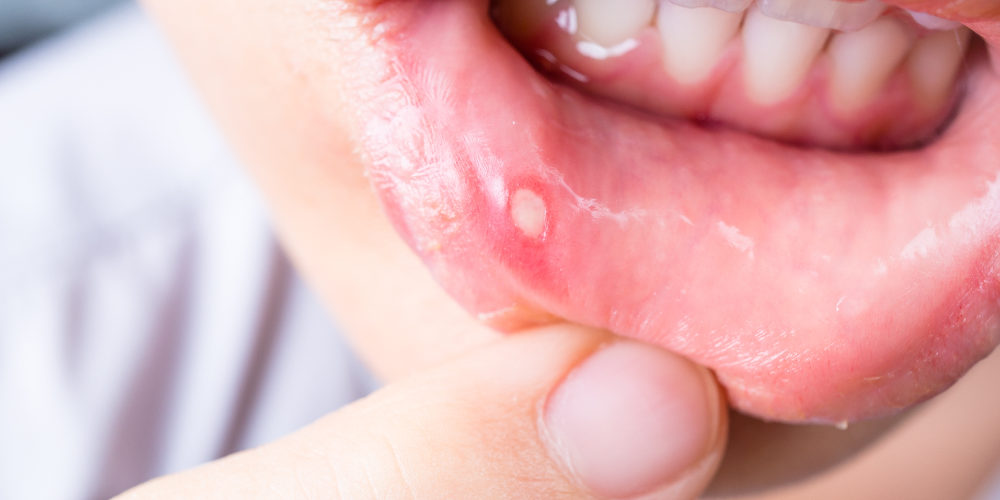
If you suffer from frequent canker sores, you understand the need to get on top of them, reducing their frequency and managing the pain when they do occur. If your sores are frequent, severe, or slow to heal, a periodontist in Rockland County can evaluate your soft tissue health and rule out underlying gum concerns.
What are Canker Sores?
“Canker sore” is the layman’s term for an aphthous ulcer. These painful sores occur on the soft tissues in the mouth, causing an area of ulceration (or loss of surface tissue) surrounded by a red ring of inflammation.
Aphthous ulcers come in three varieties. Minor aphthous ulcers are the typical ulcers that many people suffer. They are relatively small in size and last ten to fourteen days. Major aphthous ulcers are larger in size and can last up to forty-five days. They cause severe pain and even an alteration in the diet and speech.
The third type of aphthous ulcers is herpetiform aphthae, which mimic the appearance of the cluster of sores caused by the Herpes Simplex Virus type 1. Your dentist can quickly distinguish between herpetiform aphthous ulcers and the viral lesions by their location. They do not occur in the same areas of the mouth.
What Causes Canker Sores?
Scientists and doctors have not been able to determine a single underlying cause of canker sores. They have identified several contributing factors, so if you suffer from frequent ulcers, you should work to manage any of these factors.
Food Sensitivities
One potential cause of aphthous ulcers is the presence of food sensitivities. If there is a particular food that you are allergic or sensitive to, the intake of that food can lead to aphthous ulcers. In order to identify these, you might need to see an allergist or nutritionist for diagnosis.
Strong Chemicals in Oral Care Products
Some people have extra sensitive oral tissues, and the harsh chemicals in oral care products can cause so much irritation that ulcers develop. If you find that “normal” toothpaste and mouthwash cause painful burning and stinging sensations on your lips, cheeks, and tongue, consider avoiding the following ingredients:
- Sodium Lauryl Sulfate (SLS): This chemical causes the foaming action in most toothpastes. Look for SLS-free toothpaste, but be ready for a non-foamy brushing experience.
- Essential Oils (thymol, menthol and eucalyptol): These oils are present in many over-the-counter mouthwash formulations. They cause a tingling or burning sensation, so if you have sensitive tissues, look for mouthwash without these oils.
- Alcohol: Alcohol in mouthwash can also cause tenderness in the mouth. It has a drying effect on the soft tissues, so it can cause lingering burning or stinging sensations. Always look for alcohol-free mouthwash.
Nutritional Deficiencies
If you are lacking in essential vitamins and minerals, you are more likely to suffer from aphthous ulcers. Those who experience them on a frequent basis should see their medical doctor for bloodwork. Once you identify the deficiency, you can take measures to alleviate it and reduce your risk for painful mouth sores! Persistent oral inflammation can also be an early sign of gum disease — keeping your gum tissue health in check through professional care is one of the most effective ways to reduce the bacterial environment that worsens soft-tissue sores.
Soft Tissue Injuries
Many canker sores develop at the site of injuries, like cheek or lip bites. You can avoid these injuries during sleep by wearing a protective mouthguard. During the daytime, you may need to chew more slowly. If you are constantly biting your tongue, lips or cheeks during normal function, speak to your dentist about the way those teeth come together. You may need orthodontic treatment or a bite adjustment to reduce the frequency of those injuries.
How Can I Manage the Pain of a Canker Sore?
The treatment for aphthous ulcers is typically aimed at managing the symptoms they cause. Your dentist can prescribe a topical ointment that you place directly onto the sore for pain relief. Unfortunately, topical treatments in the mouth are often ineffective because saliva can quickly wash them away.
You may need to take over-the-counter pain relievers like Tylenol or Advil when they cause severe discomfort. One of the simplest and fastest ways to relieve the pain of a canker sore is to hold a small ice cube against the sore until it melts. This reduces inflammation and provides a minor numbing effect.
When you have an active canker sore, you should adjust your diet as well. Foods and beverages that are temperature hot or acidic will cause an increase in pain. Avoid sodas, hot coffee or tea, sports drinks, and fruit juices, as they are all low in pH. Stick with mild flavors and cold temperatures to reduce the irritation of a canker sore until it heals. Patients who ignore chronic oral inflammation over time may face more serious consequences — from advanced gum disease to tooth loss. Our team also provides dental implants in New City for patients who need to restore their smile after tooth loss caused by untreated oral health issues.
More Questions about Canker Sores? Contact Rockland Dental Specialists Today
If your canker sores are frequent, painful, or lasting longer than two weeks, don’t wait. Contact Rockland Dental Specialists to schedule an evaluation. Dr. Shalom Mintz, board-certified in periodontics and implantology, and the team at Rockland Dental Specialists are here to help you get ahead of recurring oral health concerns. Call us at (845) 259-2500 today!