If you are one of the 30 million Americans with sleep apnea, a condition that causes interrupted breathing during sleep, you may wonder about your treatment options. While the most common solution is a Continuous Positive Airway Pressure (CPAP) machine, it does not work for everyone. Alternatives like myofunctional therapy are available to strengthen the tongue and facial muscles so they rest correctly during sleep and don’t block your airway. At Rockland Dental Specialists in New City, NY, we can help determine if myofunctional therapy is right for you and what exercises you can do to improve your breathing.
With over 24 years of experience providing unmatched dental services, our team has the knowledge and skills to help treat your sleep apnea. We work hard to earn your trust and understand your condition to create a personalized treatment plan tailored to your needs. In our comfortable facilities, we use state-of-the-art technology and innovative techniques so that you receive the best care possible. Our honest and transparent communication allows you to better understand sleep apnea, myofunctional therapy, and what path forward is best for you.
Why Myofunctional Therapy Exercises for Sleep Apnea Are Important
Myofunctional therapy is a program that uses specific exercises to strengthen the muscles that help you chew and swallow. These muscles also help you breathe, but if they are weak, they may fall back and block your airway during sleep. The exercises involved in myofunctional therapy are non-invasive and easy to do at home, so you can continue to see improvement in your sleep quality.
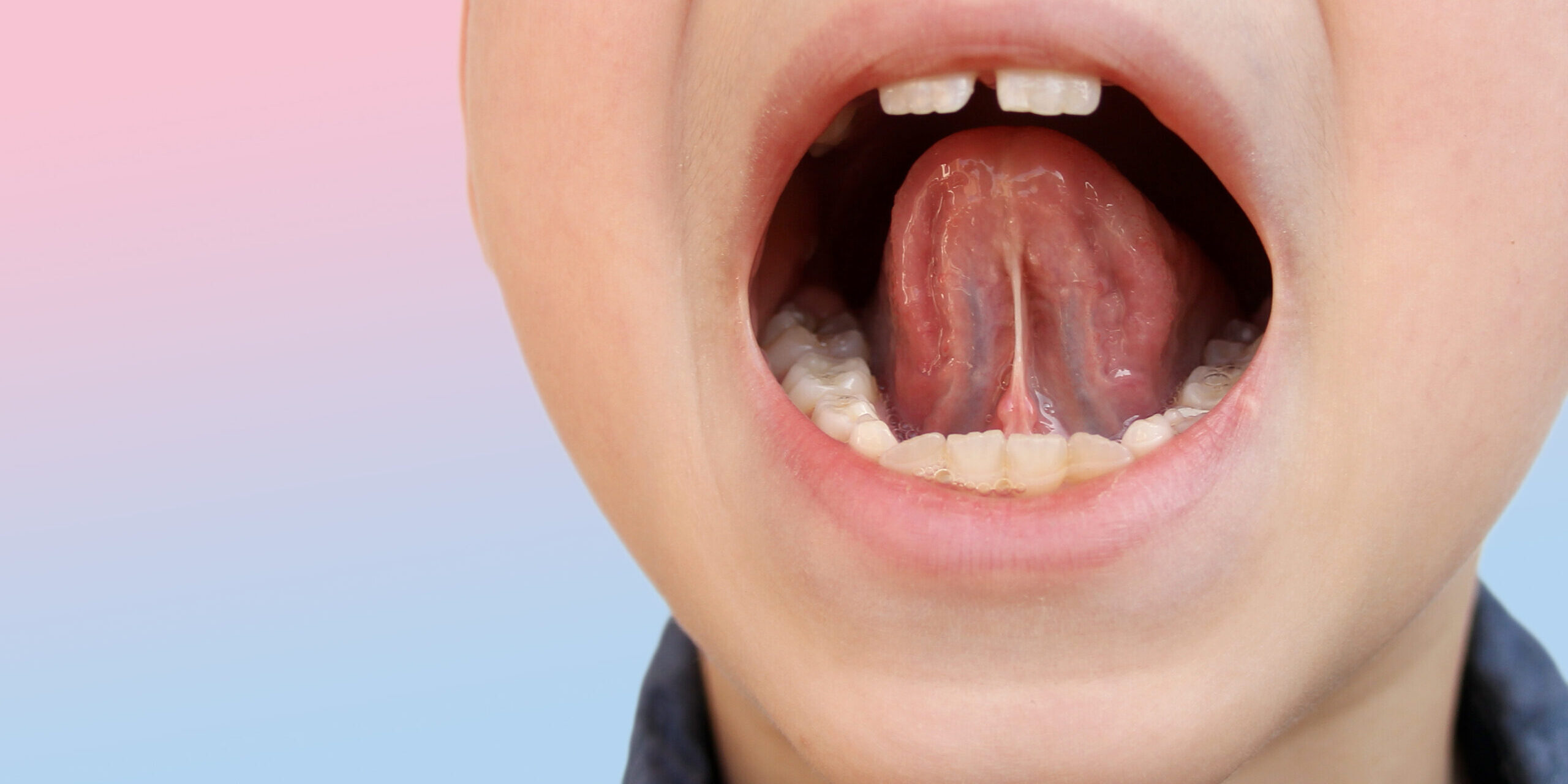
When creating your sleep apnea treatment plan, we carefully assess your condition, including tongue placement, symptoms you experience, and how your mouth rests. Myofunctional therapy trains the part of your mouth to sit naturally to reduce discomfort and help restore functionality in your teeth, tongue, and facial muscles. This includes breathing during sleep so that you can get better quality rest and have more energy during the day.
Contact the Trusted Team at Rockland Dental Specialists in New City, NY to Learn More About Myofunctional Therapy for Sleep Apnea
Sleep apnea can make it challenging to get a full night’s sleep and focus during the day. This condition may result from improper tongue placement and weakened facial muscles. With the help of our caring team at Rockland Dental Specialists, you may correct this issue using myofunctional therapy and tongue exercises. With our commitment to using the latest methodologies and technologies, you can rest assured you are in the right hands.
In addition to our outstanding expertise, we also offer the compassionate and individual care you deserve. We always prioritize your health and safety so you feel comfortable at all times. To learn more about myofunctional therapy and if it’s right for you, call us at (845) 259-2500 or fill out our contact form.