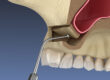
When tooth loss occurs, the jawbone begins to deteriorate rapidly, creating a ripple effect that threatens your oral health, facial structure, and candidacy for future dental restoration. Ridge augmentation rebuilds this compromised bone foundation, transforming what was once a barrier to treatment into a viable path forward.
Suppose you’re considering dental implants in New York. In that case, the periodontists and implant specialists at Rockland Dental Specialists can evaluate your bone structure and determine whether ridge augmentation will set you up for success. Dr. David Peto and Dr. Shalom Mintz bring over 24 years of combined experience to every procedure, using advanced techniques to help you achieve optimal implant outcomes.
What Is Ridge Augmentation and Why Is It Necessary?
Ridge augmentation is a surgical procedure that rebuilds the height and width of the alveolar ridge. The alveolar ridge is the bone that surrounds and supports your teeth. When you lose a tooth, this bone begins to resorb, or shrink away, sometimes losing as much as 25% of its volume within the first three months. Without adequate bone density and volume, dental implants cannot integrate properly, leading to potential implant failure or an inability to place implants.
Ridge augmentation addresses this problem by grafting bone material into the affected area. The graft material serves as a scaffold that encourages your body to generate new bone tissue. Over several months, this new bone fuses with your existing bone, creating a strong foundation that can support an implant restoration.
How Does Ridge Augmentation Prepare Your Jaw for Implants?
The process begins with a comprehensive evaluation of your oral health and bone structure. Your periodontist will take detailed images and measurements to determine the extent of bone loss and plan the augmentation accordingly.
The Surgical Process
During the procedure, your periodontist makes a small incision in your gum tissue to access the bone. Bone graft material is then carefully placed along the ridge to restore its original contours. The graft material may come from your own body, a donor source, or synthetic alternatives. Your periodontist will select the most appropriate material based on your specific needs and the location of the planned implant.
Healing and Integration
After placement, your gum tissue is closed over the graft site to protect it during healing. The integration process typically takes three to six months. During this time, your body gradually replaces the graft material with your own bone tissue. This newly formed bone becomes strong enough to securely anchor an implant, providing the stability necessary for long-term success.
What Are the Different Types of Ridge Augmentation?
Not all ridge augmentation procedures are identical. Your periodontist will recommend a specific approach based on the severity of your bone loss and your treatment timeline.
The most common types include:
- Socket Preservation: Performed immediately after tooth extraction to minimize bone loss, this procedure fills the empty socket with graft material to maintain ridge dimensions while healing occurs
- Ridge Expansion: When the ridge is too narrow to accommodate an implant, your periodontist creates a small channel in the bone and gently widens it before placing graft material and, if needed, the implant simultaneously
- Onlay Grafting: For significant bone deficiencies, this technique places larger blocks of bone material on top of the existing ridge to build both height and width
- Sinus Lift Augmentation: When implants are needed in the upper back jaw, this procedure adds bone below the sinus cavity to create adequate space for implant placement
Each technique addresses specific anatomical challenges and prepares your jaw for successful implant restoration.
Schedule Your Ridge Augmentation Consultation at Rockland Dental Specialists
Ridge augmentation transforms inadequate bone structure into a solid foundation capable of supporting dental implants for years to come. The procedure addresses bone loss head-on, creating the conditions necessary for successful implant integration and restoration. With proper technique and adequate healing time, ridge augmentation enables patients who were previously told they weren’t implant candidates to move forward with treatment.
The team at Rockland Dental Specialists understands that every patient presents unique anatomical challenges and treatment goals. Dr. Mintz and our periodontists and implant specialists take the time to evaluate your bone structure thoroughly and develop a personalized treatment plan. Call our office at (845) 400-9205 or complete a contact form to schedule your consultation and take the first step toward rebuilding your smile.