For most adults, replacing lost or missing teeth will result in dental implant surgery. Dental implants not only look natural, but they also better support the chewing function than the traditional teeth replacement option of dentures. Diabetes, especially when left unregulated, can result in slower healing, increased risk of infection, gum disease, and diabetic neuropathy. All prospective dental implant patients with diabetes must work closely with both their doctor and their dentist to make sure their blood sugar levels are under control and their oral health is in optimal condition for the operation.
At Rockland Dental Specialists, we understand how diabetes affects a patient’s oral health. We want to help you do everything you can to prevent diabetes-related complications after your dental implant surgery. If you have diabetes and need dental implants, we would be happy to discuss your treatment options today.
How Does Diabetes Affect Dental Implants?
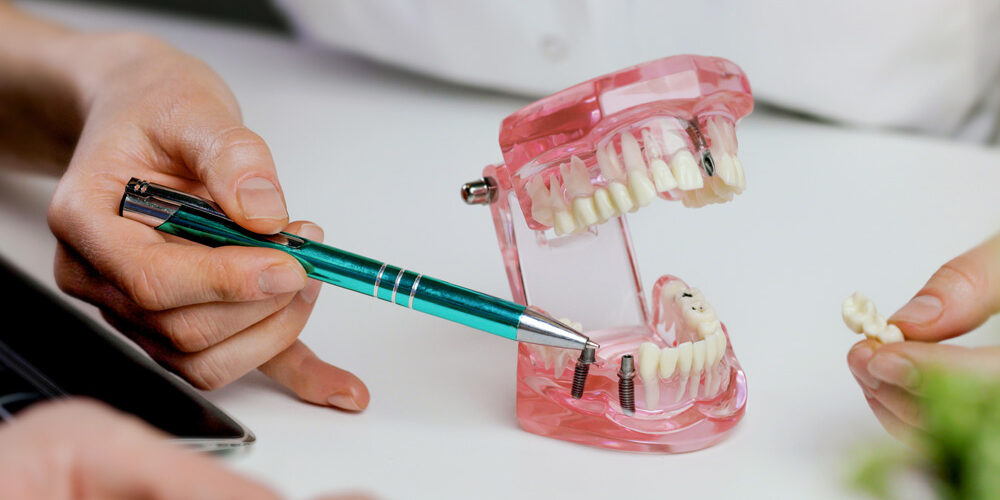
Dental implants are one of the best options available for replacing missing teeth. Not only do dental implants resemble natural teeth, but they also facilitate chewing better than traditional dentures. During dental implant surgery, the dentist or oral surgeon will place the implant’s metal root into the patient’s jawbone, thus replacing the missing tooth’s root. After the procedure, the implant’s root will eventually fuse to the jawbone through a process called osseointegration, making dental implants a more permanent solution than dentures for missing teeth.
For patients with diabetes, the risk of complications after dental implant surgery increases. Although diabetes causes unpredictable blood sugar levels, the disease can also affect a person’s oral health. For example, people with diabetes have an increased risk of gum disease, which can ultimately lead to tooth decay and loss. If a patient has unhealthy gums, the success of the implant surgery is at risk. Diabetic patients must also consider the risk of nerve damage called diabetic neuropathy. Additionally, diabetic patients are more prone to infections and slower healing. Both of these factors could delay osseointegration, which could lead to implant failure.
How Can Diabetic Patients Prepare for Dental Implants?
Although diabetic patients are at risk of complications occurring after dental implant surgery, they can prepare for the operation by managing their oral health. To begin, diabetic patients should regularly visit their doctors to make sure their blood sugar levels are under control. Having stable blood sugar levels will affect the success of the operation. Diabetic patients should also visit their dentist to ensure that their gums are healthy enough for the operation. You should consult with a dentist to make sure there are no present oral health issues that would prevent the implant process from being successful.
After getting dental implants, diabetic patients should follow the care instructions provided by their dentist or oral surgeon after the procedure, and some diabetic patients may need to take antibiotics because they are at risk of infection. After surgery, diabetic patients must do their part to maintain healthy blood sugar levels and good oral hygiene to promote healing and avoid implant failure.
Frequently Asked Questions About Dental Implants and Diabetes
Can I get dental implants if I have diabetes?
Many people with diabetes are good candidates for dental implants, especially when their blood sugar levels are well managed. Dental teams typically coordinate with your physician to confirm your oral health and overall health are stable before moving forward with treatment.
Why does diabetes affect how dental implants heal?
Diabetes can affect circulation, immune response, and the body’s ability to repair tissue, all of which play a role in osseointegration, the process where an implant fuses with the jawbone. When blood sugar is not well controlled, healing can take longer and the risk of infection or other complications can increase.
What can I do before dental implant surgery to improve my chances of success?
Working with your doctor to stabilize your blood sugar levels, addressing any existing gum disease, and following your dentist’s pre-surgical instructions can all help create better conditions for healing. Many dental teams also want updated information about your diabetes management before scheduling surgery.
Are diabetic patients more likely to experience gum disease around implants?
Diabetes is associated with a higher risk of gum disease, which can affect the tissue and bone that support a dental implant. Consistent blood sugar control along with good oral hygiene habits can help reduce this risk both before and after implant placement.
How should I care for dental implants after surgery if I have diabetes?
Following your dentist’s aftercare instructions closely, keeping regular follow-up appointments, and continuing to manage your blood sugar levels all support healing. Some patients may also be advised to take extra precautions against infection during recovery.
Contact Rockland Dental Specialists Today if You Are Considering Dental Implants
Dental implants are a wonderful option for replacing missing teeth. While diabetic patients are at risk for certain complications after dental implant surgery, they can take precautions to promote successful treatment outcomes. If you are considering dental implant surgery and you have diabetes, you should consult with both your dentist and your doctor first. Our team of dental professionals would be happy to discuss if dental implants are the right treatment option for you today.
At Rockland Dental Specialists, we have experience performing dental implant surgery on diabetic patients. We understand your concerns and risks surrounding the procedure, and we want to put your mind at ease. To schedule an appointment with us, you can call (845) 259-2500 or fill out our contact form.