Most people assume that dental implants are maintenance-free once they are placed, since titanium itself doesn’t decay. However, skipping proper care is one of the most common reasons implants fail years earlier than they should. Peri-implantitis, the bacterial infection that attacks tissue around the implant, is far more preventable than most patients realize. Developing a few simple and consistent habits can protect your implants for decades.
At Rockland Dental Specialists, our team of periodontists and implant specialists has guided patients throughout New York through both placement and long-term maintenance, because we know the procedure is only half of the story. We combine personalized care routines with regular follow-up support to help every patient protect their dental implants and enjoy lasting results. Whether you are newly restored or years post-placement, knowing what your implants actually need each day makes all the difference.
What Your Implant Structure Requires
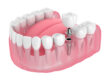
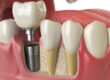
Dental implants consist of three components: the titanium post embedded in your jawbone, the abutment that connects the post to the visible restoration, and the crown, bridge, or denture on top. While titanium itself can’t decay, the gum tissue and bone around it can develop serious problems. Bacteria that collect at the junction between your implant and the surrounding tissue are the primary driver of peri-implant disease.
This is why caring for dental implants goes beyond standard brushing. The connection points between your natural tissues and the implant hardware create areas that are easy to miss during routine cleaning. Staying ahead of bacteria buildup in these spots is what separates implants that last a lifetime from those that fail prematurely.
Your Daily Cleaning Routine
Consistent daily hygiene is the foundation of implant health, and a few targeted tools make all the difference. The following practices should be a regular part of every implant patient’s routine:
- Soft-bristled brushing: Use gentle, circular motions twice daily around implant areas. Electric toothbrushes with pressure sensors help prevent applying too much force.
- Specialized flossing: Implant-specific floss, floss threaders, or water flossers clean below and around implants where standard floss cannot reach.
- Interdental brushes: Small brushes with nylon or plastic-coated wires clear hard-to-reach spots, especially around bridges or implant-supported dentures.
- Alcohol-free mouth rinse: An antimicrobial, alcohol-free formula adds protection against bacterial buildup without drying out the oral tissues.
Each of these tools targets areas a toothbrush can’t reach on its own. Skipping any of them consistently gives bacteria the opportunity to accumulate at the exact junction points where peri-implant disease begins.
Why Professional Maintenance Matters
No home routine, however thorough, replaces professional care. According to a 2024 review published through the National Library of Medicine, regular supportive peri-implant care is one of the most significant factors in preventing implant loss over a patient’s lifetime. Professional cleanings use specialized, non-metal instruments designed for implants to remove deposits without scratching the surface, and X-rays allow providers to track bone levels before any loss becomes a serious concern.
Most patients benefit from professional checkups every six months, though your provider may recommend more frequent visits based on your individual risk profile. If you notice bleeding, swelling, discomfort, or any movement around your implant between visits, contact your provider right away. Catching complications early leads to much better outcomes than waiting.
Lifestyle Choices That Protect Your Implants
What happens outside your daily brushing routine plays a real role in implant longevity. Smoking restricts blood flow to oral tissues and significantly raises the risk of peri-implantitis and implant failure. Staying smoke-free after placement is one of the most impactful choices you can make for long-term success.
Diet and daily habits matter too. A diet rich in calcium and vitamin D supports the bone that anchors your implant in place, while limiting sugary and acidic foods reduces inflammation risk in the surrounding tissue. For patients who grind or clench, a custom night guard distributes pressure evenly and protects the implant-bone connection from excessive force over time. Our team also offers scaling and root planing and comprehensive periodontal care to keep the tissues surrounding your implants in optimal condition.
Dental Implant Care at Rockland Dental Specialists
At Rockland Dental Specialists, board-certified periodontist Dr. Shalom Mintz leads our team with advanced training in implantology and supports every aspect of your follow-up care. We offer 24/7 availability, complimentary insurance verifications, and flexible payment options to make ongoing maintenance as accessible as possible. Our approach is to work with each patient individually, building a maintenance routine that fits both their specific restoration and their lifestyle.
Long-term implant success depends on consistent home care combined with professional oversight, and we are committed to being there for you. To schedule a maintenance visit or ask any questions about your implants, reach out to our team online, and we will be happy to help.