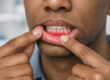
When gum disease progresses beyond what regular cleanings and non-surgical treatments can address, periodontal surgery becomes a critical intervention to restore your oral health. Advanced periodontal disease affects nearly half of adults over 30 in the United States, making surgical solutions an essential option for preserving teeth and supporting structures that might otherwise be lost to infection and deterioration.
At Rockland Dental Specialists, our experienced periodontists and implant specialists understand that the prospect of gum surgery can feel overwhelming. Dr. Shalom Mintz, Dr. David Peto, and our skilled team use advanced techniques to provide effective periodontal surgical treatments designed to halt disease progression and restore healthy gum tissue with minimal discomfort.
Understanding Periodontal Surgery
Periodontal surgery encompasses various procedures designed to treat advanced gum disease, correct gum recession, and restore the health of tissues surrounding your teeth. When gingivitis progresses to periodontitis, the infection destroys the connective tissue and bone that support your teeth, creating deep pockets where bacteria accumulate.
These surgical procedures aim to eliminate infection, reduce pocket depth, and regenerate lost tissue when possible. The specific type of surgery recommended depends on the extent of disease, the condition of your gums and bone, and your overall oral health goals.
Types of Periodontal Surgical Procedures
Several surgical options are available to address different aspects of advanced periodontal disease, each targeting specific areas of concern to restore optimal gum and bone health.
Flap Surgery (Pocket Reduction)
This common procedure involves lifting the gum tissue to access and thoroughly clean the root surfaces and underlying bone. After removing tartar and bacteria from these deep pockets, the gums are repositioned to fit snugly around the teeth, reducing pocket depth and making future cleaning more effective.
Bone and Tissue Grafts
When periodontal disease has destroyed significant amounts of bone or gum tissue, grafting procedures can help regenerate these structures. Bone grafting uses either your own bone, donor bone, or synthetic materials to encourage new bone growth, while soft tissue grafts address gum recession and restore proper gum coverage.
Crown Lengthening
This procedure removes excess gum tissue and sometimes bone to expose more of the tooth surface. Crown lengthening may be necessary for restorative work or to improve the appearance of a “gummy” smile.
What to Expect During Recovery
Recovery from periodontal surgery typically involves managing mild discomfort and following specific care instructions to ensure proper healing. Most patients experience some swelling and tenderness for a few days, which can be controlled with prescribed medications and cold compresses. Following your surgeon’s post-operative instructions carefully is crucial for successful healing and optimal results.
During the healing process, you may need to modify your diet to include softer foods and avoid certain activities that could disrupt the surgical site. Regular follow-up appointments allow your periodontist to monitor healing progress and ensure the best possible outcome.
Frequently Asked Questions About Periodontal Surgery
How do I know if I need periodontal surgery?
A periodontist typically recommends surgery when gum disease has progressed to the point that non-surgical treatments, such as scaling and root planing, can no longer control infection or reverse pocket depth and bone loss around the teeth. A periodontal evaluation, including measuring pocket depths and reviewing x-rays, helps determine whether a surgical approach is the right next step for your oral health.
Is periodontal surgery painful?
Periodontal surgery is performed under local anesthesia, so patients generally do not feel pain during the procedure itself. Afterward, mild to moderate swelling and tenderness are common for a few days and can usually be managed with prescribed medication and cold compresses, along with following your periodontist’s post-operative instructions.
How long does recovery from periodontal surgery take?
Initial healing after most periodontal surgical procedures takes about one to two weeks, though the timeline can vary based on the type of surgery performed and how closely post-operative care instructions are followed. Softer foods, good oral hygiene, and attending follow-up appointments all support a smoother recovery.
Does dental insurance cover periodontal surgery?
Many dental insurance plans provide at least partial coverage for periodontal surgery, especially when the procedure is considered medically necessary to treat active gum disease. Coverage details vary widely by plan, so our office can help verify your benefits and discuss payment options before any treatment begins.
Can gum disease return after periodontal surgery?
Periodontal surgery treats existing disease and helps create conditions that are easier to keep clean, but it does not make teeth immune to future gum disease. Consistent home oral hygiene and regular periodontal maintenance visits are essential to protecting your surgical results over the long term.
Trust Rockland Dental Specialists for Your Periodontal Care
When periodontal surgery becomes necessary, choosing experienced periodontists makes all the difference in your treatment outcome and comfort. At Rockland Dental Specialists, Dr. Mintz brings board certification in periodontics and implantology, utilizing the latest technologies to provide effective surgical solutions with minimal discomfort. Our team’s commitment to patient comfort and advanced care ensures you receive the highest quality treatment in a supportive environment with over 24 years of combined experience.Don’t let advanced gum disease compromise your oral health and quality of life. Contact our office at (845) 259-2500 or visit our contact form to schedule a consultation and learn more about how periodontal surgery can restore your healthy smile.