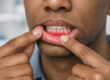
Crown lengthening recovery involves multiple phases of healing, each with specific milestones and care requirements. Understanding what to expect during your recovery helps you plan accordingly and ensures you follow proper post-operative care to achieve optimal results.
At Rockland Dental Specialists, our periodontists and implant specialists perform crown lengthening procedures with precision and care. Dr. Shalom Mintz, Dr. David Peto, and our experienced team provide comprehensive guidance throughout your healing process to ensure the best possible outcome for your oral health.
Initial Healing Phase: First 24-48 Hours
The first two days after crown lengthening surgery represent the most critical period for proper healing. During this time, your body begins the natural inflammatory response that initiates tissue repair and regeneration.
Immediate Post-Operative Care
Immediately following your procedure, you’ll experience some swelling, discomfort, and minor bleeding around the treatment site. These symptoms are completely normal and indicate that your body is responding appropriately to the surgical intervention. Your periodontist will provide specific instructions for managing pain and controlling bleeding during this crucial period.
It’s essential to avoid disturbing the surgical site during these first 48 hours. This means no vigorous rinsing, spitting, or touching the area with your tongue or fingers. Such actions can disrupt the initial clot formation and delay healing.
Managing Discomfort and Swelling
Most patients experience peak swelling around 24-48 hours after the procedure. Applying ice packs to the outside of your face for 15-20 minutes at a time can help minimize swelling and provide pain relief. Over-the-counter pain medications, as recommended by your periodontist, can effectively manage discomfort during this phase.
Early Recovery: Days 3-7
The first week following crown lengthening marks a transition from acute healing to the beginning of tissue remodeling. During this period, you’ll notice a gradual improvement in comfort levels and a reduction in swelling.
Dietary Modifications
Your diet plays a crucial role in supporting healing during this early recovery phase. Stick to soft, cool foods that require minimal chewing to avoid irritating the surgical site. Examples include yogurt, smoothies, mashed potatoes, and lukewarm soups. Avoid hot, spicy, or crunchy foods that could cause discomfort or interfere with healing.
Proper hydration remains important, but avoid using straws, as the suction action can disrupt healing tissues. Room temperature water and other non-acidic beverages are ideal choices during this period.
Oral Hygiene Adjustments
Maintaining oral hygiene becomes more challenging but remains essential during early recovery. Your periodontist will provide specific instructions for gentle cleaning around the surgical site. This typically involves using a soft-bristle toothbrush and avoiding the treated area while continuing to clean the rest of your mouth normally.
A prescribed antimicrobial rinse may be recommended to help prevent infection while the surgical site heals. Follow the instructions carefully regarding frequency and duration of use.
Intermediate Healing: Weeks 2-4
The second through fourth weeks represent a period of continued tissue healing and adaptation. Most patients find this phase much more comfortable as acute symptoms subside and normal activities can gradually resume.
Tissue Maturation Process
During this intermediate phase, the gum tissues begin to mature and stabilize in their new position. You may notice changes in the appearance of your gums as they adapt to the new contours created during the procedure. This remodeling process is normal and contributes to the final aesthetic and functional outcome.
Some patients experience minor sensitivity during this period as tissues adjust to their new position. This sensitivity typically decreases over time and can be managed with desensitizing toothpaste if recommended by your periodontist.
Gradual Return to Normal Diet
As healing progresses, you can gradually reintroduce firmer foods into your diet. Start with softer versions of your regular foods and slowly progress to your normal diet as comfort allows. Continue to avoid extremely hard or crunchy foods that could irritate the healing tissues.
Pay attention to how your mouth responds to different foods and adjust accordingly. If certain foods cause discomfort or irritation, postpone reintroducing them until healing is more complete.
Advanced Healing: Months 1-3
The first three months following crown lengthening represent the period of significant tissue remodeling and stabilization. While most patients feel completely comfortable during this phase, important healing processes continue beneath the surface.
Complete Tissue Integration
During this extended healing period, the gum tissues fully integrate with the underlying bone and tooth structures. This integration is crucial for the long-term stability and success of the procedure.
The final position and contour of your gums will become apparent during this phase. Some minor adjustments in tissue position may continue to occur as healing progresses and tissues reach their mature state.
Timeline for Restorative Work
If crown lengthening was performed to facilitate restorative work such as crowns or fillings, your general dentist typically waits until this advanced healing phase is complete before proceeding. This waiting period ensures that tissue position has stabilized and that the final restoration will fit properly and function optimally.
Your periodontist will communicate with your general dentist regarding the appropriate timing for any planned restorative work. This coordination ensures seamless care and optimal results for your overall treatment plan.
Frequently Asked Questions About Crown Lengthening Recovery
How long does it take to fully heal after crown lengthening?
Healing happens in stages. Initial swelling and discomfort typically improve within the first 48 hours, most day-to-day comfort returns within the first week, gum tissue continues to mature over the next two to four weeks, and complete tissue integration with the underlying bone is generally reached within one to three months. Individual healing time can vary based on the extent of the procedure and how closely post-operative instructions are followed.
When can I go back to eating normal foods after crown lengthening?
Most patients start with soft, cool foods during the first week to avoid irritating the surgical site. As comfort improves over the following weeks, firmer foods can gradually be reintroduced. It’s best to avoid hard, crunchy, or spicy foods until your periodontist confirms the tissue has healed enough to handle them.
When will my dentist place my permanent crown after crown lengthening?
If crown lengthening was performed to prepare a tooth for a crown or filling, your general dentist typically waits until the advanced healing phase is complete before placing the final restoration. This allows the gum tissue to fully stabilize so the finished crown fits properly and functions well over the long term.
How do I manage swelling and discomfort after crown lengthening?
Applying ice packs to the outside of the face for 15 to 20 minutes at a time during the first 24 to 48 hours can help minimize swelling. Over-the-counter pain medication, as recommended by your periodontist, can also help manage discomfort. Swelling and tenderness typically peak in the first two days and ease steadily after that.
Is it normal for my gums to look different once crown lengthening has healed?
Yes. As the gum tissue matures over the weeks following the procedure, it’s common to notice changes in contour and appearance as it adapts to its new position. This remodeling is a normal part of the healing process and contributes to the final aesthetic and functional result.
Expert Crown Lengthening Care at Rockland Dental Specialists
Understanding the crown lengthening healing timeline helps you prepare for recovery and maintain realistic expectations throughout the process. While healing times vary among individuals, following your periodontist’s post-operative instructions closely promotes optimal healing and long-term success.
Our team at Rockland Dental Specialists provides comprehensive crown lengthening procedures with detailed post-operative guidance to ensure your comfort and success. With over 24 years of combined experience in periodontics and implant dentistry, Dr. Shalom Mintz, Dr. David Peto and our skilled team are committed to supporting you through every phase of healing. Call us at (845) 259-2500 orcontact us today to learn more about crown lengthening and schedule your consultation.