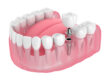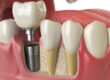
Dental implants work for most people missing one or more teeth. You qualify as a candidate if you have adequate jawbone density to support the implant, healthy gums free from periodontal disease, and good overall health. Age is rarely a limiting factor, and conditions like diabetes or osteoporosis don’t automatically disqualify you, though they may require additional evaluation.
At Rockland Dental Specialists, our periodontists and implant specialists have over 24 years of combined experience evaluating candidates for dental implants. Dr. Shalom Mintz, board-certified in periodontics and implantology, and Dr. David Peto work with patients throughout Rockland County, New York to determine if implants are the right solution for their missing teeth.
What Makes Someone a Good Candidate?
Your jawbone quality matters most. Dental implants require sufficient bone density to support the titanium post that serves as an artificial tooth root. When you lose a tooth, the surrounding bone begins to deteriorate.Within the first three months of tooth loss, you can lose up to 25% of the bone in that area. This is why timing matters when considering implants.
Your gum health also plays a vital role. Active periodontal disease must be treated before implant placement. If you have gum disease, our team at Rockland Dental Specialists can address it through periodontic treatments before moving forward with implants. Healthy gums create the stable environment implants need to integrate successfully.
How Do Medical Conditions Affect Candidacy?
Many health conditions don’t prevent you from getting dental implants, but they require careful management. Diabetes, for example, can slow healing and increase infection risk. However, patients with well-controlled blood sugar levels typically proceed with implant surgery successfully. Your periodontist will coordinate with your physician to ensure your condition is stable before treatment.
Osteoporosis raises questions about bone density, but research shows most patients with this condition can still receive implants. Certain osteoporosis medications may require a treatment pause before surgery. Smoking presents more significant challenges, as it restricts blood flow and impairs healing. Patients who smoke face higher implant failure rates, though quitting before surgery dramatically improves outcomes.
What If You Don’t Have Enough Bone?
Insufficient bone density doesn’t automatically disqualify you. Bone grafting procedures can rebuild the jawbone to support an implant. During bone grafting, your periodontist places bone material in the deficient area, allowing new bone to grow over several months. Once the graft heals and integrates, you can proceed with implant placement.
For patients missing upper teeth, sinus lift procedures may be necessary. This technique creates additional bone height in the upper jaw where the sinus cavity limits available space. These preparatory procedures extend your treatment timeline but make implants possible when they otherwise wouldn’t be.
How Does Age Factor Into Candidacy?
Your physical health matters more than your age. Dental implants can succeed in patients from their twenties through their nineties, provided they meet the health requirements. Younger patients need fully developed jawbones, which typically occur by the late teens or early twenties. For older patients, the main considerations are overall health and healing capacity rather than age itself.
The American Academy of Implant Dentistry reports that dental implants have a 95% success rate, making them one of the most reliable tooth replacement options available. This high success rate applies across age groups when patients receive proper evaluation and treatment.
What Happens During the Evaluation?
Your candidacy assessment begins with a comprehensive examination. Our periodontists review your medical history, current medications, and any conditions that might affect healing. Digital imaging, including cone beam CT scans, reveals your bone structure in three dimensions. This technology allows precise measurement of bone height, width, and density at the implant site.
The evaluation also includes gum assessment, bite analysis, and a discussion of your goals. Some patients need only one implant, while others require multiple implants to restore several missing teeth. Your treatment plan reflects your specific situation, not a one-size-fits-all approach.
When Should You Get Dental Implants?
With a high success rate and increase in popularity, dental implants can be one of the most effective solutions for improving your dental health. If you have any of the following concerns, you may need dental implants:
Missing Teeth
Dental implants are a common solution to missing teeth as they replace the entire tooth at the root and act as a strong and permanent structure. If you are missing one or multiple teeth, implants can blend in with the rest of your smile, so you don’t have to worry about them standing out. Additionally, your jawbone relies on chewing to stay strong and healthy, so dental implants can prevent any potential damage that missing teeth could cause.
Loose Dentures
If you have dentures as a solution for missing teeth, they can come loose, which can be frustrating and uncomfortable. Instead, you can get dental implants with new teeth that look like your natural teeth, and you do not have to worry about them coming loose when you eat or talk. Alternatively, you can use dental implants to secure your denture.
Loose Bridge
Like dentures, dental bridges are another solution to missing teeth. They are customized replacement teeth secured to adjacent ones. Unfortunately, bridges can come loose, which can be stressful. With dental implants, you have confidence in your smile and know they will not come loose because they replace the root in addition to the tooth.
Infected Teeth
If you have an infected tooth, it may be salvaged or extracted, depending on the severity of the infection. If your tooth has to be removed, you can replace it with a dental implant. The implant will be much stronger than your infected tooth and does not require special care. You must treat your implant the same way you treat your other teeth with brushing and flossing as well as regular dental cleaning / check-ups.
Aesthetic Purposes
Whether you have a sunken appearance due to dentures or you are not confident in your smile, dental implants can help make your teeth more visually appealing. Dentures often cause a sunken look because they do not stimulate the jawbone, which makes it regress. Dental implants can help with this because we place them directly into the jawbone, causing continuous growth of new tissue.
Even if you do not have dentures or a dental bridge, you may get dental implants to make you feel proud of your smile. Once you have them in, you can take care of them like normal teeth. You don’t have to fear smiling in pictures or covering your mouth when you laugh.
Broken or Cracked Teeth
If you have a broken or cracked tooth, you can either get a crown, a bridge or a dental implant. Depending on the extent of the damage to your tooth, it may need to be replaced entirely with an implant. Cracked teeth can result in infection and long-lasting damage, so a dental implant can be the best solution for life-long durability.
An implant is a better long-term solution compared to dental bridges.
Schedule Your Dental Implant Consultation at Rockland Dental Specialists
Finding out if you’re a candidate starts with an evaluation. Our periodontists and implant specialists provide thorough assessments to determine your options and create a personalized treatment plan. Whether you need preliminary procedures like bone grafting or you’re ready for immediate implant placement, we guide you through each step.
Contact our office to schedule your consultation. Our team at Rockland Dental Specialists serves patients throughout Rockland County with advanced implant solutions in a comfortable, high-end setting. Visit our contact form to Schedule Now and take the first step toward restoring your smile.