When patients consider dental implants, one of the first questions they ask is how long they’ll actually hold up. It’s a fair question. Implants are a significant investment, and no one wants to go through the process only to wonder if the results will stand the test of time. The good news is that with proper care and the right clinical foundation, dental implants are one of the most durable tooth replacement options available, with many lasting decades or even a lifetime.
At Rockland Dental Specialists, our team brings a high level of care and clinical precision to every implant case we treat. Patients benefit from a practice that provides 24/7 availability, complimentary insurance verification, and custom payment plans designed to make treatment accessible. From the moment you walk through the door, the focus is on your comfort, your confidence, and your long-term oral health.
What Determines Dental Implant Longevity
Dental implants are built to last, but their longevity depends on a combination of biological factors, lifestyle habits, and the quality of care received at placement. Understanding what influences their lifespan can help patients make informed decisions and take the right steps to protect their investment.
Several factors play a central role in how long an implant holds up. These include:
- Bone density and volume at the implant site: Adequate bone is essential for osseointegration, the process by which the implant fuses with the jawbone
- Oral hygiene habits: Consistent brushing, flossing, and professional cleanings reduce the risk of peri-implantitis, an infection that can compromise the implant
- Smoking or tobacco use: Tobacco use significantly impairs healing and increases the likelihood of implant failure
- Overall systemic health: Conditions such as diabetes or osteoporosis can affect how well the bone integrates with the implant
- The skill and precision of the placing clinician: Proper surgical technique and implant positioning are foundational to long-term success
Attending regular dental checkups is one of the most effective ways to catch early signs of implant complications before they escalate.
How Long Do Implants Typically Last
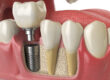
The titanium post that anchors the implant into the jawbone is designed to be a permanent fixture. Research supports this, with long-term clinical studies showing survival rates above 90% at the 10-year mark for properly placed implants. In many cases, the implant post itself lasts a lifetime. The crown placed on top of the implant is a separate structure and, like natural teeth, is subject to wear over time. Crowns typically last 10 to 15 years before they may need to be replaced, though this varies based on bite forces and daily habits.
Patients who maintain excellent oral hygiene and attend regular professional cleanings give their implants the best chance at lasting as long as possible. The relationship between a patient and their dental team is a key factor in long-term implant success.
The Role of Bone Health and Grafting
Bone health is closely tied to implant longevity. When a tooth is lost, the surrounding bone begins to deteriorate without the stimulation a root provides. The implant post replicates that stimulation, preserving bone over time. However, patients who have experienced bone loss prior to implant placement may require a preparatory procedure before treatment can begin.
At Rockland Dental Specialists, we offer sinus lifts and other bone augmentation procedures for patients who need to build up their bone volume before implant surgery. This step is crucial in ensuring the implant has a stable, healthy foundation to integrate with. Skipping this preparation can undermine the longevity of the implant over time, which is why a thorough evaluation before placement is so important.
Patients who have dealt with periodontal disease in the past should also discuss their history with their provider. Treated and stable gum disease does not necessarily prevent implant candidacy, but it does require close monitoring and ongoing care.
Protecting Your Implant for the Long Term
Once an implant is placed and healed, protecting it comes down to consistent habits. Patients should brush twice daily, floss around the implant carefully, and use a water flosser if recommended by their provider. Avoiding hard or sticky foods that put excessive pressure on the crown can also extend its lifespan. Patients who grind their teeth at night should speak with their provider about a nightguard, as bruxism can accelerate crown wear and strain the implant.
It is worth noting that implants are not immune to complications. Peri-implantitis, a condition similar to gum disease that affects the tissue around an implant, is one of the primary causes of late implant failure. Early detection and prompt treatment are essential. If you notice any swelling, discomfort, or shifting around an implant site, contact your dental provider right away.
Rockland Dental Specialists: Long-Term Implant Care You Can Count On
Dental implants are one of the most reliable and long-lasting restorative solutions in modern dentistry, and choosing the right team to place and monitor them makes all the difference. At Rockland Dental Specialists, we take a comprehensive approach to implant care, from the initial evaluation through every stage of treatment and follow-up. Our high-end office is designed with patient comfort in mind, featuring large dental chairs, in-room entertainment, and a welcoming team that puts you at ease from the start.
Whether you are exploring implants for the first time or seeking care for an existing restoration, we are here to help you understand your options and make the most informed decision for your oral health. We offer complimentary insurance verification and flexible payment options to ensure cost is never a barrier to quality care. Contact us today to schedule your consultation and take the first step toward a healthy, lasting smile.