Living with osteoporosis can make a missing tooth feel like a bigger problem. You may worry that thinner, more fragile bones will not be able to hold a dental implant, so you put off a decision that could improve how you eat, speak, and smile. Those concerns are common, and they deserve clear answers before you choose a treatment.
At Rockland Dental Specialists, our periodontists and implant specialists, including Dr. Shalom Mintz and Dr. David Peto, help patients explore dental implants as a way to replace missing teeth. Here is what you should know about how osteoporosis may affect your jawbone, what research suggests, and how our team plans your care.
How Osteoporosis May Affect Your Jawbone
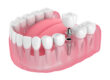
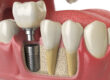
Osteoporosis causes bones to lose density over time, which can make them thinner and more fragile. Your jawbone is not immune to these changes. A dental implant is a small post that acts as a tooth root, and it depends on the surrounding bone to hold it steady as the area heals. Lower bone density may make that process more complicated, which is why careful planning matters.
The research is encouraging, though. In a 2025 systematic review of 14 studies, researchers found no significant difference in implant survival between patients with osteoporosis and systemically healthy patients. The authors also noted that more research is needed, and that medications and overall health still play a role. A diagnosis of osteoporosis alone does not have to rule out an implant.
Why Replacing Missing Teeth Still Matters
When a tooth is lost, the bone that once held its root may begin to shrink because it no longer receives the same stimulation during chewing. For patients who already have lower bone density, that added loss can make future treatment more complicated. Replacing a missing tooth sooner rather than later may give you more bone to work with.
A dental implant takes the place of the missing root and may help preserve the bone around it. That is one reason it helps to talk with our team early. A consultation gives you time to review your choices and ask questions at your own pace.
How We Plan Implant Care When Bone Density Is a Concern
Every treatment plan starts with a close look at your bone and your overall health. Our team takes time to review the details before recommending next steps. We also want you to feel comfortable asking questions about your medications, your healing, and what to expect at each stage.
Imaging and Bone Support
Our team may use 3D imaging to measure the height and width of your jawbone and to find the best placement for each implant. Clear images may also help us explain your treatment visually, so you know what to expect before you start. If an area needs more support, bone grafting may be an option we discuss with you. These steps help shape a plan around your anatomy.
Medical Details to Share With Our Team
Some osteoporosis medications may influence how bone heals, so your medical history is an important part of the plan. It helps to bring details about:
- the osteoporosis medications you take and how long you have taken them
- other health conditions, such as diabetes
- whether you smoke
- the name of the physician who manages your bone health
Sharing these details helps our team shape your treatment around your needs and, when appropriate, coordinate with your physician.
What Recovery and Follow-Up May Look Like
Dental implants need time to bond with the bone around them, and healing timelines vary from patient to patient. Your plan may include follow-up visits so our periodontists can check the gums and bone around your implant. Catching changes early gives us a chance to address them quickly.
Healthy habits at home can support your results as well. Brushing and flossing daily, keeping up with your dental visits, and following the bone health plan your physician recommends may all help protect your implant over time.
Schedule Your Dental Implant Consultation With Rockland Dental Specialists
Our team at Rockland Dental Specialists has over 24 years of combined experience in periodontics, implants, and endodontics. Dr. Shalom Mintz is board-certified in periodontics and implantology, and our periodontists and implant specialists, including Dr. David Peto, work together to plan care around your health history.
Our endodontists, Dr. Lisa Cohen and Dr. George Ilenikhena, are also part of our team, and Dr. Cohen is board-certified. We offer complimentary insurance verifications and create custom payment plans to help make care more manageable. If you have osteoporosis and are considering a dental implant, reach out through our contact form to schedule a consultation and talk through your options.